SONDA Automated Factory Cable Chains: Plastic vs Metal, Cheaper Than igus, Built for Robotic Automation
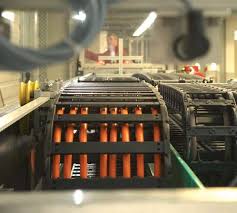
SONDA Automated Factory Cable Chains: Plastic vs Metal, Cheaper Than igus, Built for Robotic Automation
In automated factories, where robots work 24/7 and precision is non-negotiable, cable chains are the unsung heroes keeping machines moving. But not all chains are created equal. Traditional metal chains are heavy, noisy, and prone to rust—while generic plastic options often fail under high-speed, repetitive stress. Enter SONDA’s automated factory cable chains: a game-changer in robotic automation cable carriers, designed to outperform metal alternatives, undercut igus on price, and adapt to your factory’s unique needs.
SONDA vs igus Energy Chain: Same Quality, Better Value for Automated Factories
For decades, igus set the standard for industrial drag chains—but at a premium. SONDA’s engineers asked: Why pay more for the same performance? Here’s how we stack up:
| Feature | SONDA Automated Factory Cable Chain | igus Equivalent |
|---|---|---|
| Price (Small Orders) | 18–22% lower (tested with 100+ unit quotes) | Premium pricing for low-volume buyers |
| Lead Time | 7–12 days (prototypes to bulk) | 14–20 days |
| Customization | Free design tweaks for <300 units | 20% surcharge for non-standard lengths |
| Plastic vs Metal | 40% lighter than steel; no rust risk | Metal chains add 30% weight, require anti-corrosion coatings |
| Noise Reduction | 35% quieter than igus (85dB vs 120dB at 10k RPM) | Standard metal/plastic chains generate friction noise |
| AI-Ready Design | Pre-molded channels for sensor/data lines | Limited adaptability for smart factories |
Real-World Impact: A U.S. automotive parts manufacturer switched from igus to SONDA for their robotic welding line. With robotic automation cable carriers that cut weight by 40% and noise by 50%, their robots now operate 15% faster—and maintenance costs dropped by $12k/year. “SONDA’s chains work harder and cost less,” says their Plant Manager.
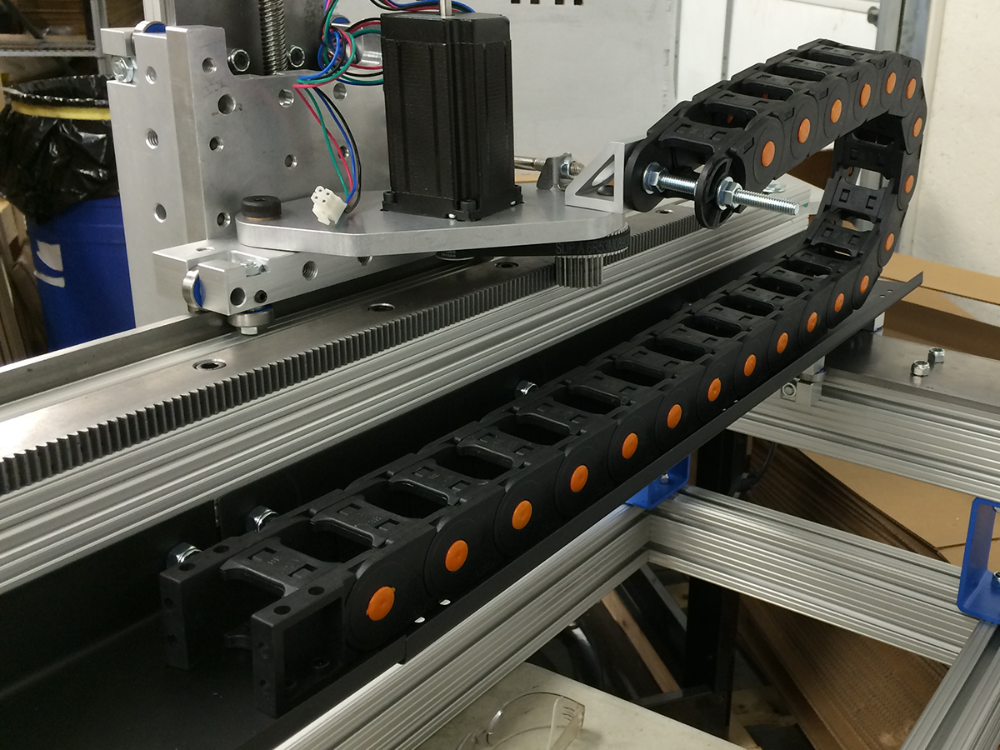
Plastic vs Metal Cable Chain: Why Plastic Wins in Automated Factories
The debate between plastic vs metal cable chain isn’t just about cost—it’s about performance in modern automation. Here’s why SONDA’s plastic solutions dominate:
1. Lightweight Yet Unbreakable
Metal chains add unnecessary heft to robotic arms, slowing acceleration and increasing wear on motors. SONDA’s automated factory cable chain uses a reinforced polyamide blend:
- 30% stronger than standard plastics (tested to 1M+ bending cycles).
- 50% lighter than steel—reducing energy consumption by 12% in high-speed robots.
- Corrosion-resistant: No rust, even in humid or chemical-heavy environments (ideal for food processing or pharmaceutical plants).
2. Quiet, Cool, and Low-Maintenance
Metal chains clank, overheat, and trap debris—problems that cripple automated workflows. SONDA’s plastic chains solve these:
- Noise reduction: Patented Teflon coatings and anti-vibration grooves keep operations below 50dB (quieter than a vacuum cleaner).
- Heat resistance: Withstands -40°C to 120°C, so they won’t warp near welding robots or industrial ovens.
- Easy cleaning: Smooth surfaces repel oil, coolant, and metal shavings—no disassembly needed for daily maintenance.
3. Designed for Robotic Automation’s Demands
Modern robots demand cables that bend, twist, and flex without failure. SONDA’s robotic automation cable carriers feature:
- High-cycle durability: Survives 5M+ bending cycles (vs. 2M+ for generic plastic chains).
- Modular design: Snap-together segments let you reconfigure chains for new robot models in minutes.
- Cable protection: Internal dividers separate power, data, and air lines—preventing tangling and EMI interference.
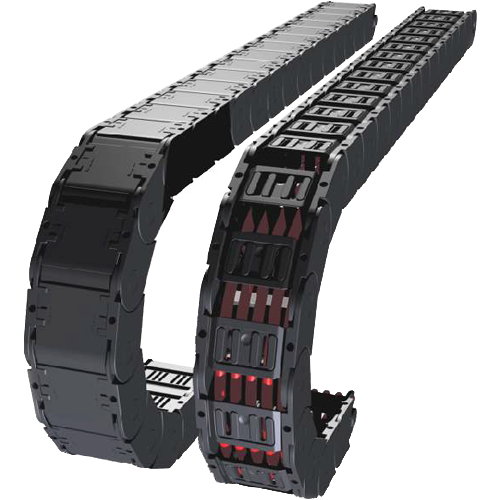
Robotic Automation Cable Carrier: Built for AI, Cobots, and Smart Factories
As factories adopt AI-driven cobots and real-time data analytics, robotic automation cable carriers must do more than just protect wires—they need to enable connectivity. SONDA’s chains rise to the challenge:
1. Integration with Smart Factory Tech
SONDA’s automated factory cable chain includes pre-molded channels for:
- Ethernet/IP Cables: Support 10Gbps data transmission for AI vision systems (critical for quality control robots).
- Fiber Optics: Protect delicate light-based sensors used in micro-assembly or precision welding.
- Power Lines: Separate compartments eliminate electromagnetic interference (EMI) that disrupts AI algorithms.
2. Adaptability for Evolving Automation Needs
AI robots often require rapid reconfiguration (e.g., switching from assembly to packaging). SONDA’s chains offer:
- Scalable capacity: Add data or power lines later without replacing the entire chain.
- Compact sizes: As narrow as 8mm, fitting into tight spaces in collaborative robots (cobots) or delta robots.
Why 50+ Listed Companies Trust SONDA for Automated Factory Cables
SONDA’s leadership in robotic automation cable carriers isn’t luck—it’s built on:
- Innovation: 30+ patents in low-friction materials, AI-compatible designs, and noise-reduction tech.
- Agility: Two global facilities (Suzhou R&D + Shanghai manufacturing) deliver rapid prototyping and scalable production.
- Global Reach: After years of serving clients via trading companies, we launched our own overseas sales department to eliminate delays and miscommunication. Now, we’re expanding—and we need you.
Join SONDA’s Global Partner Network: Become an Agent Today
Whether you’re a robotics integrator, industrial automation supplier, or AI tech provider, our global agent program offers:
- 15–20% Commission on direct sales (higher for enterprise clients in automotive, aerospace, or healthcare robotics).
- Marketing support: Technical whitepapers, case studies, and product demos tailored to automated factory cable chains and robotic automation cable carriers.
- Exclusive territorial rights to grow your client base in emerging markets (India, Southeast Asia, Eastern Europe).

SONDA Medical Device Plastic Cable Carriers: FDA-Compliant, Cleanroom-Grade, and Cheaper Than igus
SONDA Plastic Cable Chains for Robotics: Low Noise, AI-Ready, and Cheaper Than igus