Igus vs Tsubaki: Which Energy Chain System Fits Your Needs?
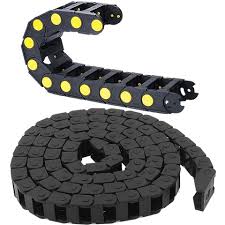
In modern industrial automation, the demand for reliable and flexible cable management solutions is growing rapidly. Choosing the right energy chain Igus or Tsubaki model can significantly impact system performance, maintenance cost, and lifespan. Today, we’ll explore how these brands compare—and how Shengda’s universal energy chain solution offers a smarter, more cost-effective alternative.
Understanding the Energy Chain Igus System (H2)
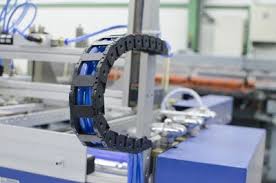
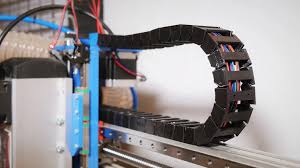
The energy chain Igus system is a leading innovation in cable and hose management. Known for its lightweight yet durable polymer construction, it ensures smooth motion and long-lasting performance in harsh environments. From CNC machinery to robotic arms, Igus energy chains protect cables from bending stress, vibration, and abrasion.
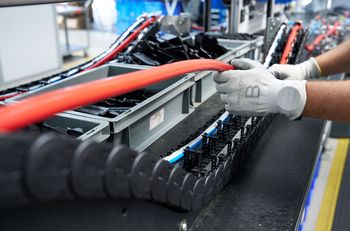
Igus systems are modular, allowing quick assembly and replacement. This flexibility has made them a preferred choice for engineers who prioritize precision, reliability, and reduced maintenance time.

Igus vs Tsubaki Energy Chain: A Comparison (H2)
When comparing Igus vs Tsubaki energy chain, both brands represent high-quality solutions—but with different design philosophies.
-
Igus focuses on lightweight plastic energy chains, offering corrosion resistance and quieter operation—ideal for cleanrooms and robotics.
-
Tsubaki, on the other hand, is known for its robust steel and aluminum chains, built for heavy-duty environments such as conveyor systems and steel plants.
While both perform exceptionally, the choice depends on your specific application: Igus for agility and flexibility, Tsubaki for durability and load strength.
However, both systems come at a premium cost, with longer lead times and limited customization for smaller orders—where Shengda’s advantages begin to shine.
The Shengda Advantage: Universal Cable Carrier System (H2)
Shengda’s universal cable carrier system combines the strengths of both Igus and Tsubaki—lightweight polymer for speed and corrosion resistance, plus robust structure for stability under high loads. The result is a versatile chain system suitable for automation, robotics, CNC, and conveyor lines.
Compared to Igus or Tsubaki, Shengda offers the same quality at a lower price, with shorter lead times and custom manufacturing for small batches. Whether you need a specific width, radius, or material, Shengda can deliver flexible, OEM-level customization that major brands often can’t provide.

Why Choose Shengda Energy Chain vs Igus (H2)
When evaluating Shengda energy chain vs Igus, the core benefits are clear:
-
Equal mechanical performance and durability as Igus.
-
Lower cost, ideal for OEMs and integrators managing multiple projects.
-
Faster delivery, reducing downtime and production delays.
-
Flexible customization, supporting both small and large orders.
For companies seeking a balance between performance, price, and scalability, Shengda’s solutions make practical and financial sense.
Conclusion: Smarter, Stronger, More Affordable (H2)
Both Igus and Tsubaki remain pioneers in the cable carrier industry, but the market is evolving. Manufacturers now look for universal energy chain systems that offer adaptability and value.
Shengda’s modern design philosophy bridges the gap—delivering Igus-level quality, Tsubaki-grade strength, and unmatched cost efficiency. For businesses focused on automation, robotics, or industrial machinery, Shengda represents not just an alternative—but the next generation of cable carrier innovation.


Smart Cable Carrier Design for Modern Automation
Igus Drag Chains vs Shengda: Comparing Cable Carrier Materials