Choosing the Right Drag Chain Sizes for Any Application
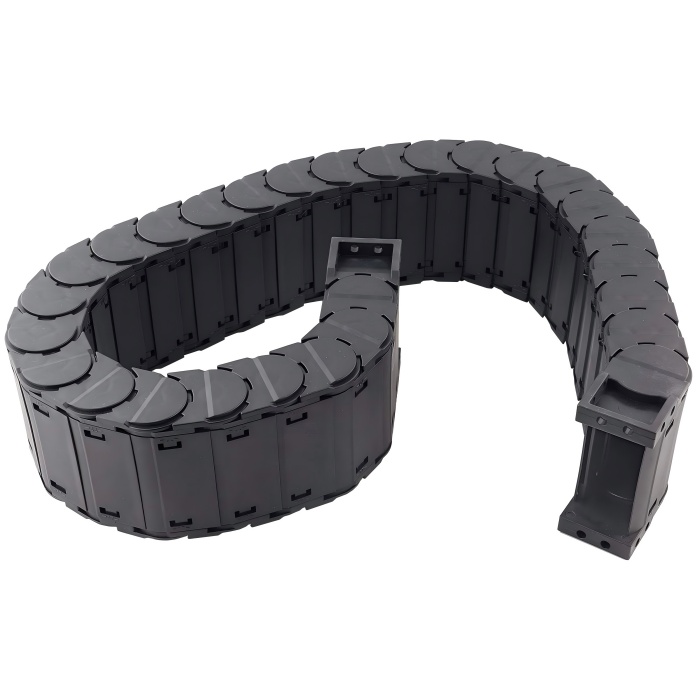
Selecting the right drag chain sizes is essential for ensuring stable cable protection, smooth machine motion, and long-term system reliability. Whether you’re building a compact automation setup or managing wiring for heavy industrial machinery, choosing the correct size affects cable lifespan, machine safety, and maintenance efficiency. This guide explains the differences between small-profile cable chain options, large-capacity drag chain sizes, and the benefits of open vs enclosed drag chain sizes for different applications.
Understanding Common Drag Chain Sizes
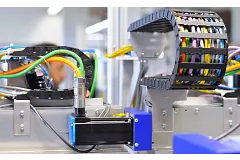
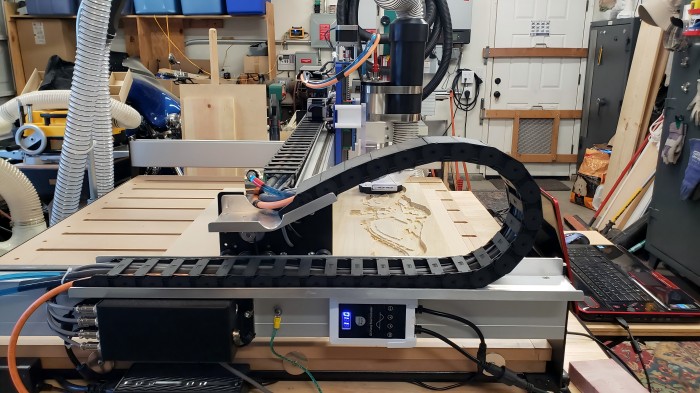
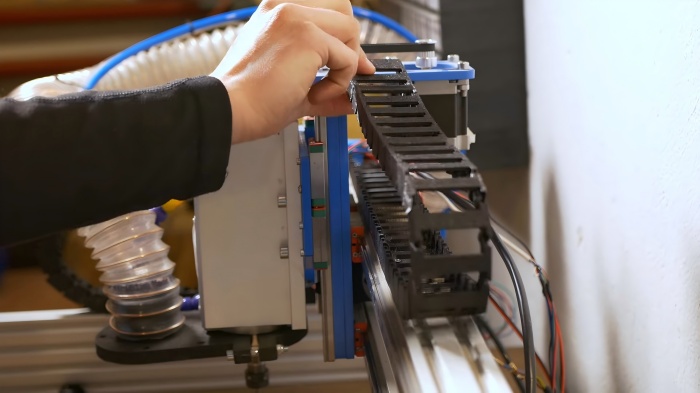
Drag chain sizes vary widely depending on cable load, bend radius requirements, and machine travel distance. For smaller systems—such as 3D printers, desktop CNC routers, and compact robotic arms—engineers often choose small-profile cable chain options, usually ranging from 10×10 mm to 15×30 mm internal space. These lightweight chains minimize drag, reduce noise, and provide adequate protection for servo wires, sensor cables, and air lines.
On the other hand, industrial equipment, conveyor lines, automotive tooling, and multi-axis machining centers require large-capacity drag chain sizes. These may range from 40×50 mm up to 100×300 mm, offering space for multiple power cables, hydraulic hoses, and fiber optic lines. Larger chains are intentionally designed with stronger sidewalls and reinforced pins to handle long travel lengths and high mechanical strain.
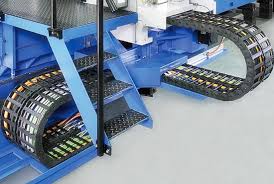
Open vs Enclosed Drag Chain Sizes — Which Should You Choose?
When choosing between open vs enclosed drag chain sizes, consider your working environment:
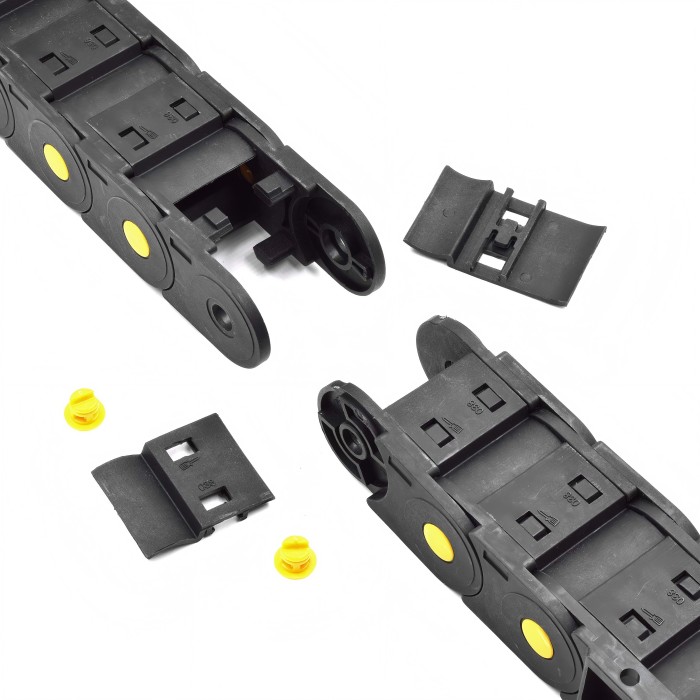
Open Drag Chains
-
Easier to inspect and replace cables
-
Lightweight and suitable for clean environments
-
Ideal for short cycles and light-duty automation
Enclosed Drag Chains
-
Protect cables from dust, debris, chips, and oil
-
Recommended for CNC machining, woodworking, and metal fabrication
-
Provide superior lifespan in harsh environments
Factories commonly use enclosed systems to keep chips and contaminants away from wiring, especially in high-cycle or abrasive applications.
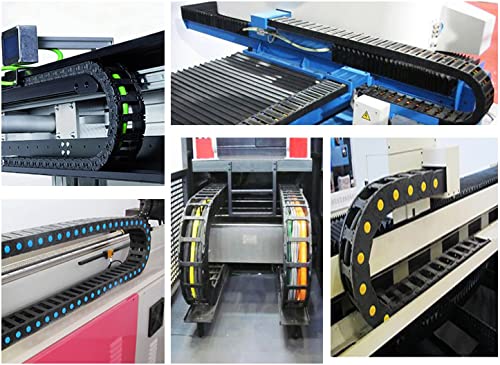
Comparing Shengda Energy Chains vs Igus — Price & Flexibility Advantage
When selecting drag chain sizes, many buyers compare well-known brands like Igus with high-value alternatives such as Shengda. While Igus is globally recognized for precise engineering and material consistency, Shengda energy chains provide nearly identical durability, temperature resistance, and bending performance—at a significantly more competitive price.
Key advantages of Shengda include:
-
Lower cost for the same functional quality as Igus
-
Shorter lead times, reducing downtime or project delays
-
More flexible small-batch ordering, ideal for prototypes or custom machine builds
-
Custom drag chain sizes and colors available to match OEM requirements
For buyers seeking quality without high cost, Shengda has become a trusted Igus alternative in industries ranging from CNC machining to robotics and factory automation.
Conclusion
Choosing the correct drag chain sizes—whether small-profile, large-capacity, open, or enclosed—is essential for achieving stable cable routing and long-term machine performance. And with cost-effective options like Shengda providing impressive value compared to Igus, manufacturers now have more freedom to select the perfect drag chain for their automation needs.


Smart Energy Chains for Modern Automation