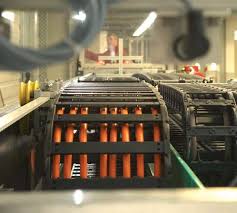
How to Choose a Cable Carrier: 6 Simple Steps for Machine Builders
How to Choose a Cable Carrier: 6 Simple Steps
If you are wondering how to choose a cable carrier, you are in the right place. It comes down to six numbers and conditions. Work through them in order, and you will pick the right drag chain with confidence.
What is a cable carrier?
A flexible chain that guides and protects cables, hoses and pneumatic lines on moving machinery — keeping them organized and extending their life on CNC machines, robots, gantries and automated lines.

Step 1: Measure Your Cable Bundle First
- Gather every cable, hose and tube that will run inside.
- Measure each outer diameter and add them up.
- Leave 30% free space for movement; add spare lines for future upgrades.
- Too tight pinches cables; too loose wastes space and money.
This is where learning how to correctly choose a cable carrier always begins.
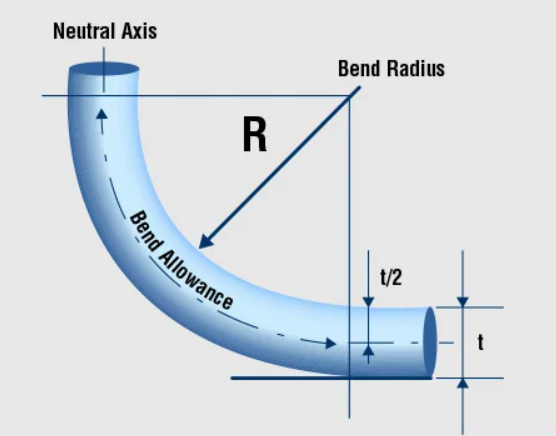
Step 2: Calculate the Bend Radius
- Find the minimum bend radius of your thickest cable (on its datasheet).
- Set the carrier's inner radius at least that value, plus a small safety margin.
- This number matters most for long-stroke machines.
Step 3: Determine the Travel Length
- Measure the total distance the moving end travels.
- Short travel → standard unsupported carrier.
- Long travel → glide shoes or a guide trough to prevent sagging.
Once you know this number, how to choose a cable carrier becomes much easier to narrow down.

Step 4: Pick the Right Material
- "Nylon/plastic"— light, quiet, corrosion-resistant; best for most indoor automation.
- 2. "Steel" — heavy loads and high speeds.
- "Stainless steel" — food, chemical and outdoor environments.
Match the material to your real floor conditions — that is how to wisely choose a cable carrier, not just by price.

Step 5: Consider the Environment
- High temperature → heat-resistant materials.
- Dusty workshop → sealed or smooth covers.
- Outdoor → UV-stabilized plastic or stainless steel.
- Note your operating conditions before comparing models.
Step 6: Plan Mounting and Accessories
- Confirm both connection points — fixed end and moving end.
- Add separators to keep cables in lanes and prevent rubbing.
- Include mounting brackets, strain relief and end connectors.
Common Mistakes to Avoid
- Skipping the cable measurement or underestimating the bend radius.
- Buying purely on price without comparing datasheets.
- Verify the three key numbers and request samples before bulk orders.
Conclusion
Choosing a cable carrier is simple when you follow the checklist. If you are still unsure how to choose a cable carrier for your project, send us your cable list and travel details — we will recommend a fit that keeps your machine running shift after shift.



Stably Running Cable Protection Solution: plastic drag chain for Automation Equipment
Why SONDA Drag Chain is the Best Choice in China