Mastering Cable Drag Chain Installation Like a Pro
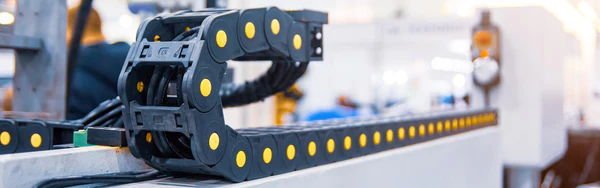
Understanding Cable Drag Chain Installation
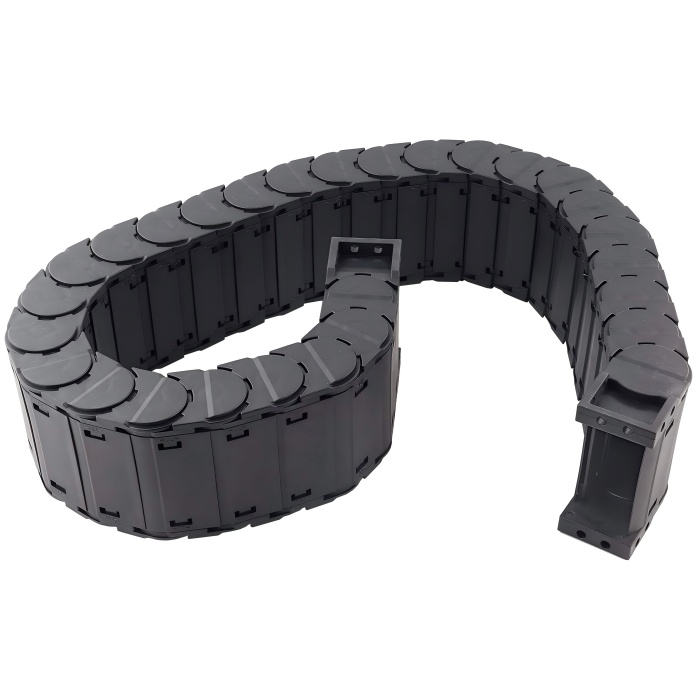
A proper cable drag chain installation ensures the smooth and safe operation of machines in manufacturing, automation, and robotics environments. It protects cables from twisting, abrasion, and mechanical wear while maintaining organized cable routing. Whether used in CNC systems, conveyors, or robotic arms, correct installation directly affects the lifespan and reliability of your entire production line.
Shengda provides industrial-grade cable management systems that rival Igus in quality but come at a more affordable price point, with quicker delivery and flexible customization options.
Cable Carrier Installation Steps
Following systematic cable carrier installation steps is key to ensuring precision and durability:
-
Plan the Cable Path: Analyze the motion range and layout before installing the chain.
-
Measure Chain Length: Allow enough length for free movement without tension.
-
Mount the Chain Brackets: Secure both ends firmly to the moving and fixed parts.
-
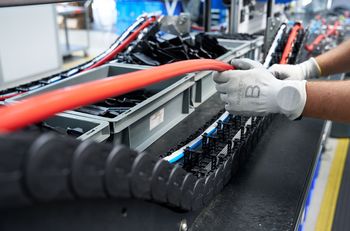
Lay the Cables Correctly: Distribute cables evenly inside the carrier and avoid crossing.
-
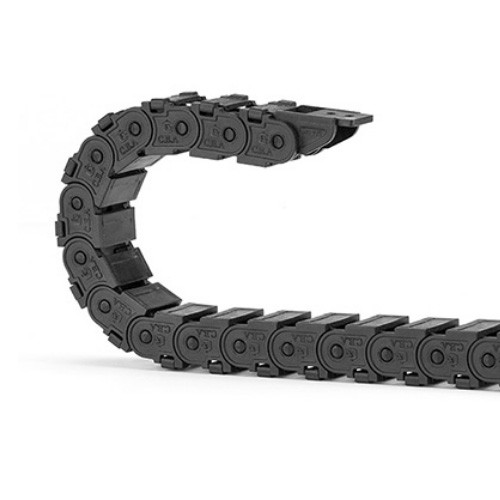
Check for Bending Radius Compliance: Maintain the recommended minimum bend radius to prevent stress damage.
-
Test the Motion: Move the equipment manually to verify smooth operation before running at full speed.
Each of these steps ensures that the cable carrier performs efficiently with minimal maintenance needs.
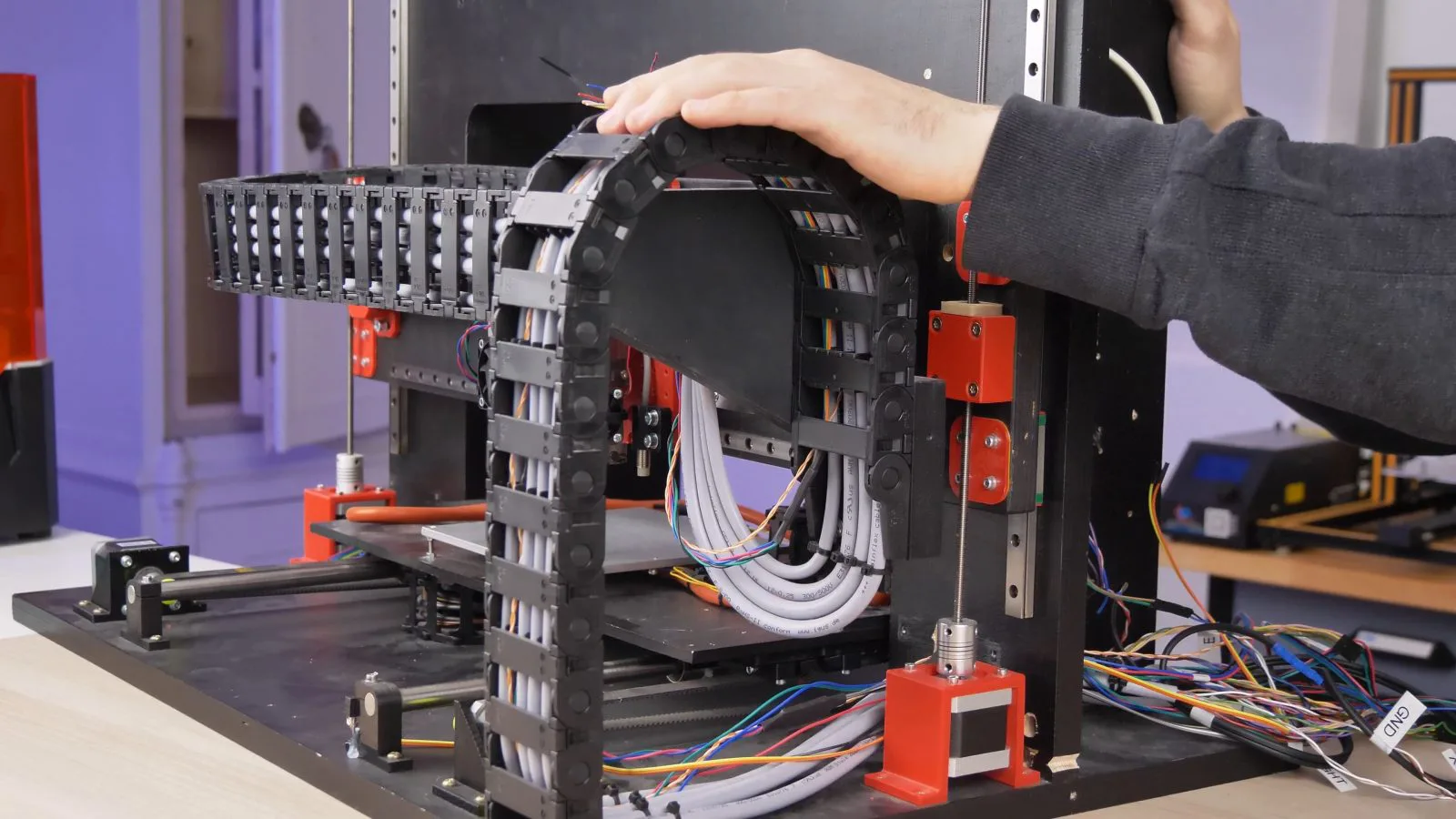
Drag Chain Positioning Tips
Accurate alignment is vital. Here are essential drag chain positioning tips to help:
-
Keep the chain perfectly parallel to the machine’s travel path.
-
Avoid excessive sag or tension in horizontal applications.
-
In vertical setups, use support trays or guides to prevent twisting.
-
Ensure connectors or fittings don’t interfere with chain movement.
With correct positioning, the drag chain experiences less friction, extending both its service life and that of the cables inside.
Cable Chain Maintenance Tips
Even the best drag chains need proper care. Regular cable chain maintenance tips include:
-
Clean the chain regularly to remove dust and debris.
-
Inspect for cracks, excessive wear, or broken links.
-
Lubricate moving parts if the model requires it.
-
Replace worn cables early to avoid unexpected downtime.
Following these maintenance practices ensures consistent performance and reduces repair costs over time.
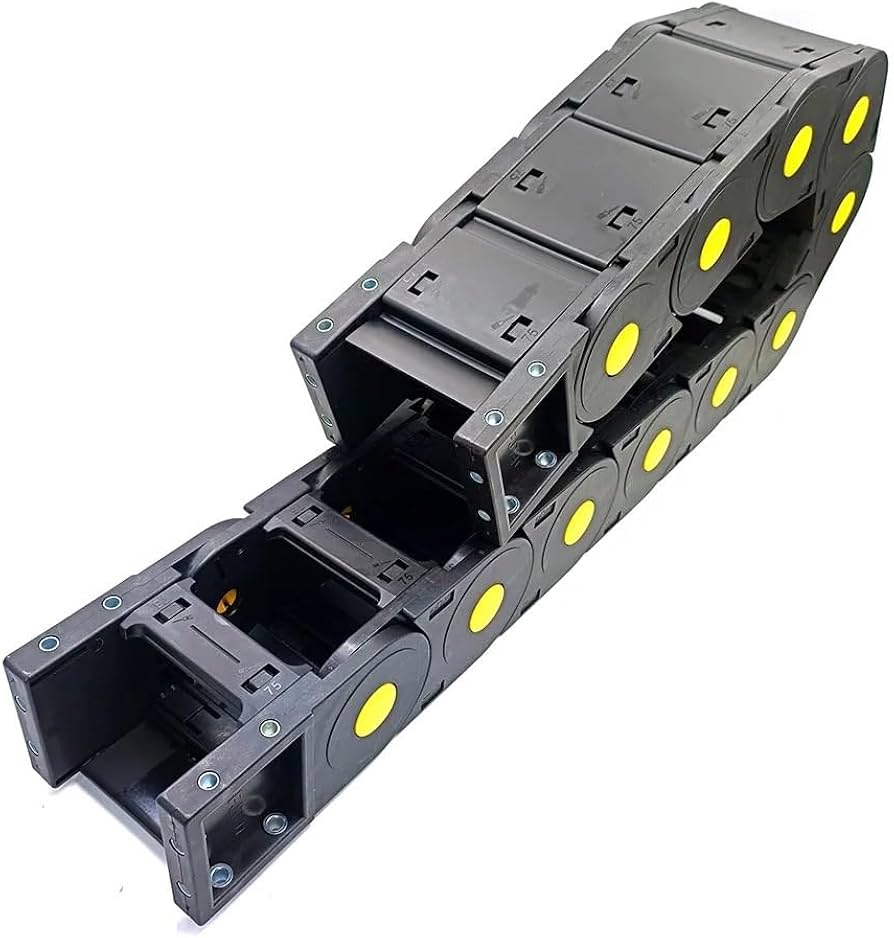
Shengda Energy Chain vs Igus
When comparing Shengda energy chain vs Igus, Shengda stands out by offering:
-
Equivalent Quality: Built with premium materials and tested for durability.
-
Lower Price: More budget-friendly without compromising performance.
-
Shorter Lead Times: Faster manufacturing and shipping.
-
Flexible Ordering: Ideal for small batches and custom designs.
This makes Shengda an ideal partner for factories seeking efficient and affordable cable chain solutions.
Conclusion
Professional cable drag chain installation is the foundation of a stable, efficient automation system. By following proper installation steps, applying expert positioning tips, and keeping up with regular maintenance, you can ensure optimal performance and longevity. With Shengda energy chains, you get Igus-level quality, faster delivery, flexible customization, and competitive pricing—an unbeatable choice for modern factories.


Shengda Energy Chain: Match Igus Quality for Conductive Drag Chain (Laser Equipment Included) – Better Deals
Efficient Cable Drag Chain Installation for Factories and Labs