Maximizing Efficiency with Drag Chain Use in Manufacturing
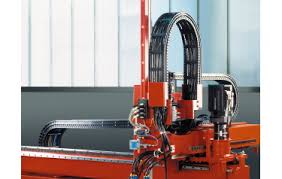
In modern manufacturing, proper cable management is critical to maintaining productivity, safety, and equipment longevity. The drag chain use in industrial settings has grown significantly due to its ability to protect cables, reduce wear, and improve operational efficiency. From CNC machines to robotic arms, a well-designed drag chain system ensures that cables remain organized, safe, and capable of enduring high-speed movements over extended periods.
Drag Chain Use in Manufacturing Plants
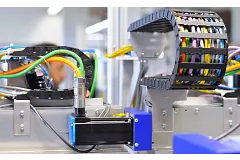
Manufacturing plants often operate around the clock, placing constant stress on machinery and wiring systems. Implementing drag chain use in manufacturing plants helps protect power, signal, and data cables from abrasion, bending fatigue, and environmental contaminants. Industries such as automotive production, food processing, and heavy machinery rely on drag chains to keep cables secure and ensure uninterrupted operation.
By guiding cables along a controlled path, drag chains reduce the likelihood of tangling or snagging, which can lead to unexpected downtime or maintenance issues. This is especially important in high-speed or multi-axis machines where cable motion must remain precise and predictable.
High-Flex Cable Management Applications
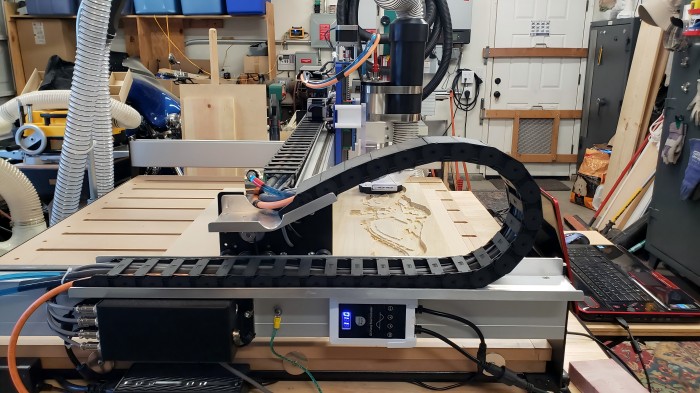
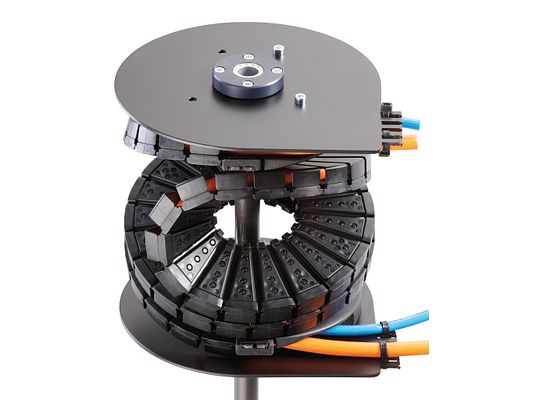
A high-flex cable management application requires drag chains designed to endure continuous bending and dynamic movements. These applications include robotic assembly lines, automated CNC systems, and packaging machinery. High-flex drag chains ensure that cables maintain their integrity, preventing insulation wear, signal loss, and mechanical failure.
Using specialized materials and optimized link design, high-flex chains can accommodate small bend radii, heavy cable bundles, and frequent motion cycles, making them ideal for demanding industrial environments.
Maintenance-Free Drag Chain Solutions
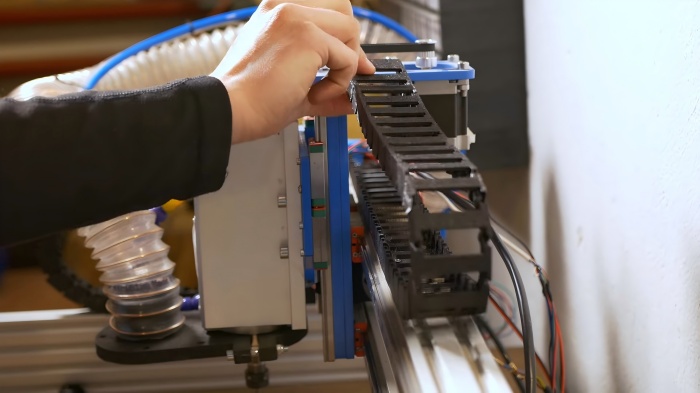
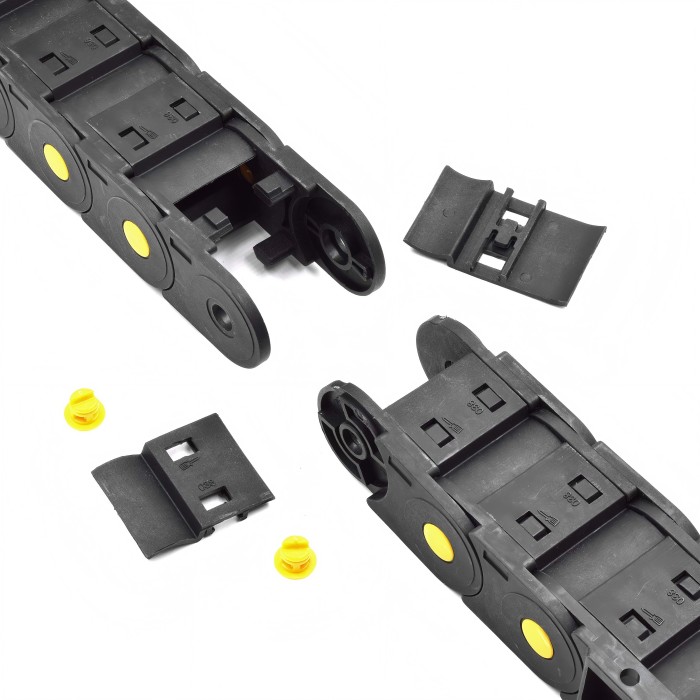
Modern industries increasingly prefer maintenance-free drag chain solutions to reduce labor costs and maximize uptime. These chains are constructed from durable, wear-resistant materials such as reinforced polymers or hybrid metal-polymer designs. They often feature self-lubricating joints and modular construction, allowing for easy installation and replacement without halting production lines.
Maintenance-free chains improve reliability, minimize operational interruptions, and offer consistent performance over long periods. When selecting a drag chain system, manufacturers should prioritize longevity, flexibility, and ease of integration.
Conclusion
The strategic drag chain use in manufacturing plants ensures organized, safe, and durable cable management for high-performance machinery. Whether implementing high-flex cable management applications or choosing maintenance-free drag chain solutions, these systems enhance operational efficiency and reduce downtime. Investing in a reliable drag chain system is a cost-effective solution to optimize cable routing, protect equipment, and maintain production continuity.


Dust-Free Drag Chains: Ensuring Cleanroom Efficiency and Reliability
High-Tensile Drag Chains for Tough Machinery