


Electrical Rail
HXSD-ER
Quantity
we produce high quality metal electrical rail
**Electrical Rail: Robust Infrastructure for Power Distribution and Mobility**
Electrical rails, also known as conductive or power rails, are critical components in modern energy transmission and transportation systems. These rigid, elongated structures—typically made of high-conductivity metals like copper, aluminum, or steel alloys—provide a continuous pathway for electrical current, enabling efficient power delivery to machinery, vehicles, or industrial equipment. In rail-based transit systems, such as metros, trams, and electric trains, electrical rails serve as the primary power source, often installed parallel to or embedded within tracks. Their design prioritizes durability, corrosion resistance, and thermal stability to withstand high voltages, mechanical stress, and environmental exposure.
With a density exceeding 5% in electrified infrastructure layouts, electrical rails ensure reliable energy flow while minimizing spatial footprint. In industrial settings, they are integrated into overhead cranes, automated guided vehicles (AGVs), and assembly lines to power motors and sensors seamlessly. Modular electrical rail systems, featuring insulated housings and snap-in connectors, simplify installation and scalability in commercial buildings for lighting, HVAC, and data networks.
Advanced electrical rails incorporate smart monitoring technologies, such as embedded sensors to detect wear, temperature fluctuations, or electrical faults, enhancing safety and predictive maintenance. Coatings like silver or tin plating reduce oxidation, while segmented designs allow easy repair without system shutdowns. In renewable energy applications, electrical rails connect solar panels or wind turbines to grid inverters, optimizing energy harvest.
Compliance with international standards (e.g., IEC, ASTM) ensures compatibility and safety across global markets. Despite their static appearance, electrical rails enable dynamic innovation, supporting electrification trends in urban mobility and sustainable industry. Regular inspections, coupled with robust insulation and grounding practices, mitigate risks of short circuits or energy loss. As electrification expands, electrical rails remain foundational to powering progress, balancing efficiency, adaptability, and resilience in an energy-driven world.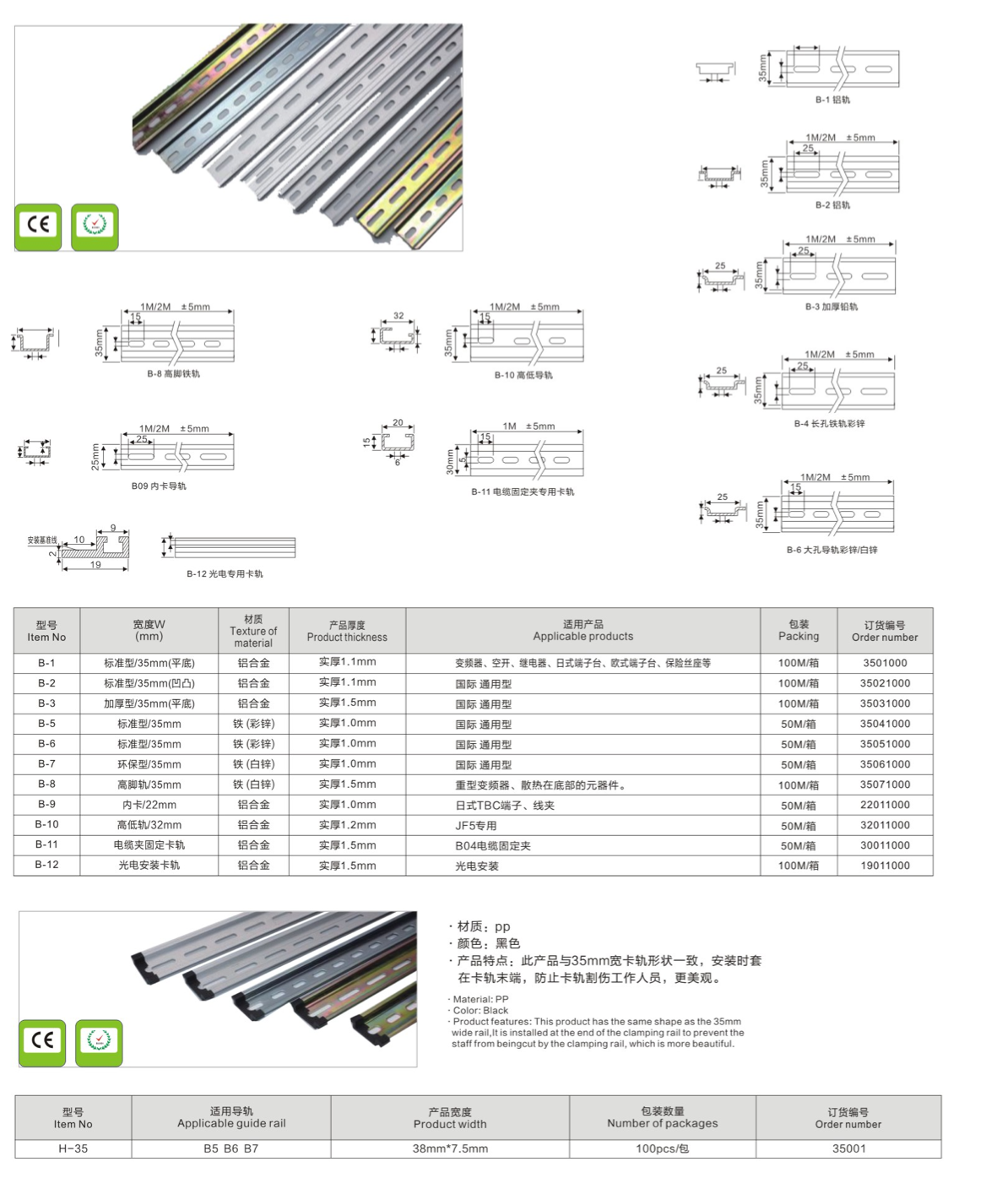
Electrical rails, also known as conductive or power rails, are critical components in modern energy transmission and transportation systems. These rigid, elongated structures—typically made of high-conductivity metals like copper, aluminum, or steel alloys—provide a continuous pathway for electrical current, enabling efficient power delivery to machinery, vehicles, or industrial equipment. In rail-based transit systems, such as metros, trams, and electric trains, electrical rails serve as the primary power source, often installed parallel to or embedded within tracks. Their design prioritizes durability, corrosion resistance, and thermal stability to withstand high voltages, mechanical stress, and environmental exposure.
With a density exceeding 5% in electrified infrastructure layouts, electrical rails ensure reliable energy flow while minimizing spatial footprint. In industrial settings, they are integrated into overhead cranes, automated guided vehicles (AGVs), and assembly lines to power motors and sensors seamlessly. Modular electrical rail systems, featuring insulated housings and snap-in connectors, simplify installation and scalability in commercial buildings for lighting, HVAC, and data networks.
Advanced electrical rails incorporate smart monitoring technologies, such as embedded sensors to detect wear, temperature fluctuations, or electrical faults, enhancing safety and predictive maintenance. Coatings like silver or tin plating reduce oxidation, while segmented designs allow easy repair without system shutdowns. In renewable energy applications, electrical rails connect solar panels or wind turbines to grid inverters, optimizing energy harvest.
Compliance with international standards (e.g., IEC, ASTM) ensures compatibility and safety across global markets. Despite their static appearance, electrical rails enable dynamic innovation, supporting electrification trends in urban mobility and sustainable industry. Regular inspections, coupled with robust insulation and grounding practices, mitigate risks of short circuits or energy loss. As electrification expands, electrical rails remain foundational to powering progress, balancing efficiency, adaptability, and resilience in an energy-driven world.
