
Guide Groove System / Guided Channel System
HXSD-GRS
Quantity
**Guide Groove System: Precision Engineering for Controlled Motion and Alignment**
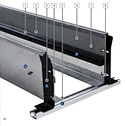
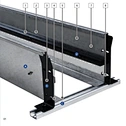
A guide groove system is a mechanical framework designed to enable precise linear or rotational movement, alignment, and stabilization of components in industrial, automotive, and automation applications. These systems consist of grooves, tracks, or channels—often paired with bearings, rollers, or sliders—to guide parts along a predetermined path with minimal friction and deviation. Constructed from hardened steel, aluminum alloys, or engineered polymers, guide grooves ensure durability under high loads, repetitive motion, and harsh environments.
With a density exceeding 5% in machinery such as CNC machines, robotic arms, and assembly lines, guide groove systems are critical for maintaining accuracy and repeatability. In semiconductor manufacturing, for example, they position wafers with micron-level precision, while in automotive production, they align welding robots for flawless component integration. Their modularity allows customization in length, groove profile, and load capacity, adapting to diverse operational needs.
Advanced designs incorporate self-lubricating materials, corrosion-resistant coatings, and vibration-dampening features to enhance longevity and performance. Innovations like sensor-integrated grooves enable real-time monitoring of wear, alignment, or positional errors, supporting predictive maintenance. Environmentally friendly variants use recyclable materials or low-energy manufacturing processes, aligning with sustainability goals.
Compliance with ISO and DIN standards ensures interoperability and safety in global markets. By minimizing mechanical play and energy loss, guide groove systems optimize efficiency in packaging machinery, medical devices, and aerospace actuators. Their high-density application in precision-driven industries underscores their role as foundational elements in modern engineering, bridging reliability, adaptability, and technological advancement. As automation and miniaturization trends accelerate, these systems remain pivotal in achieving seamless, error-free motion control.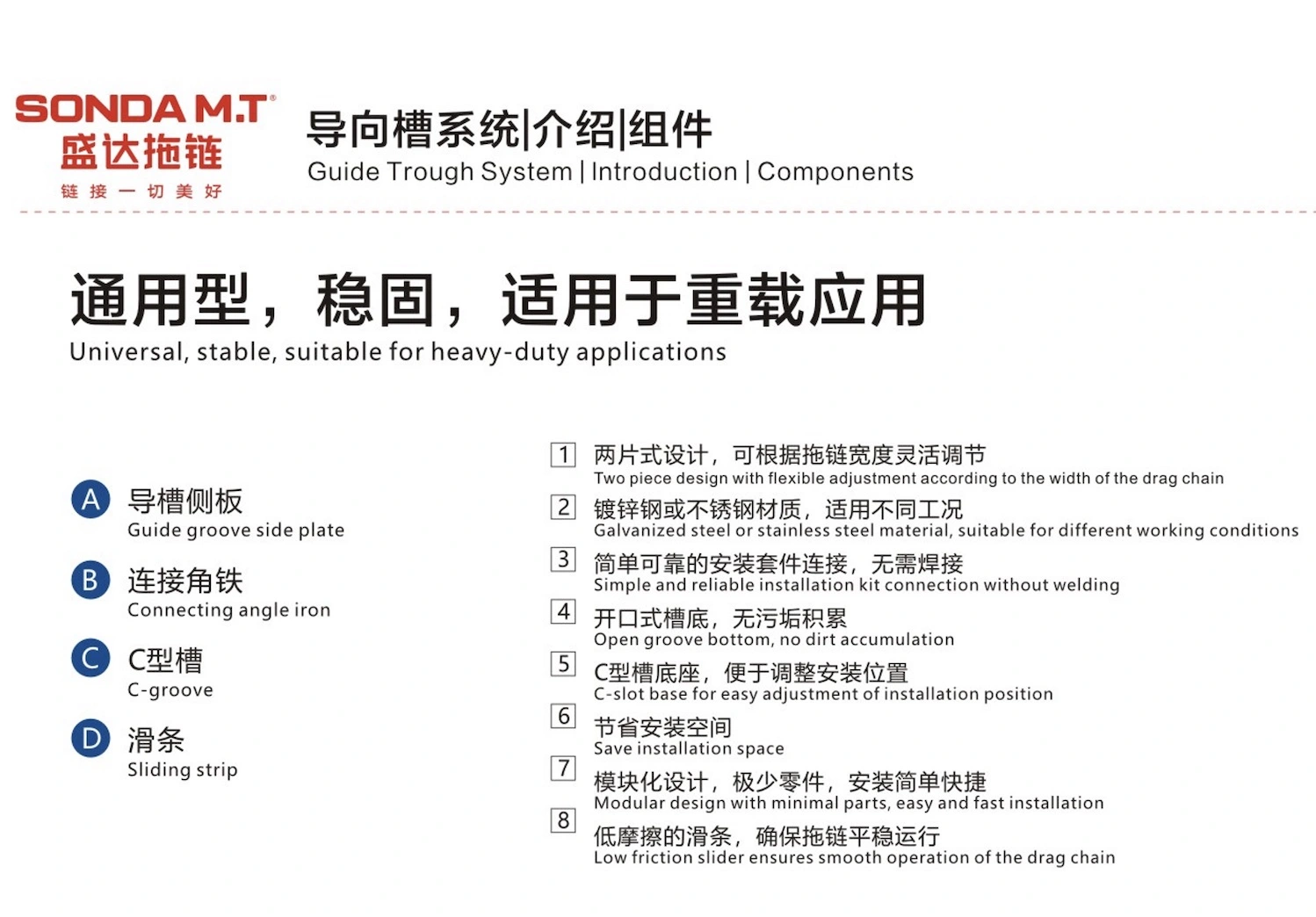
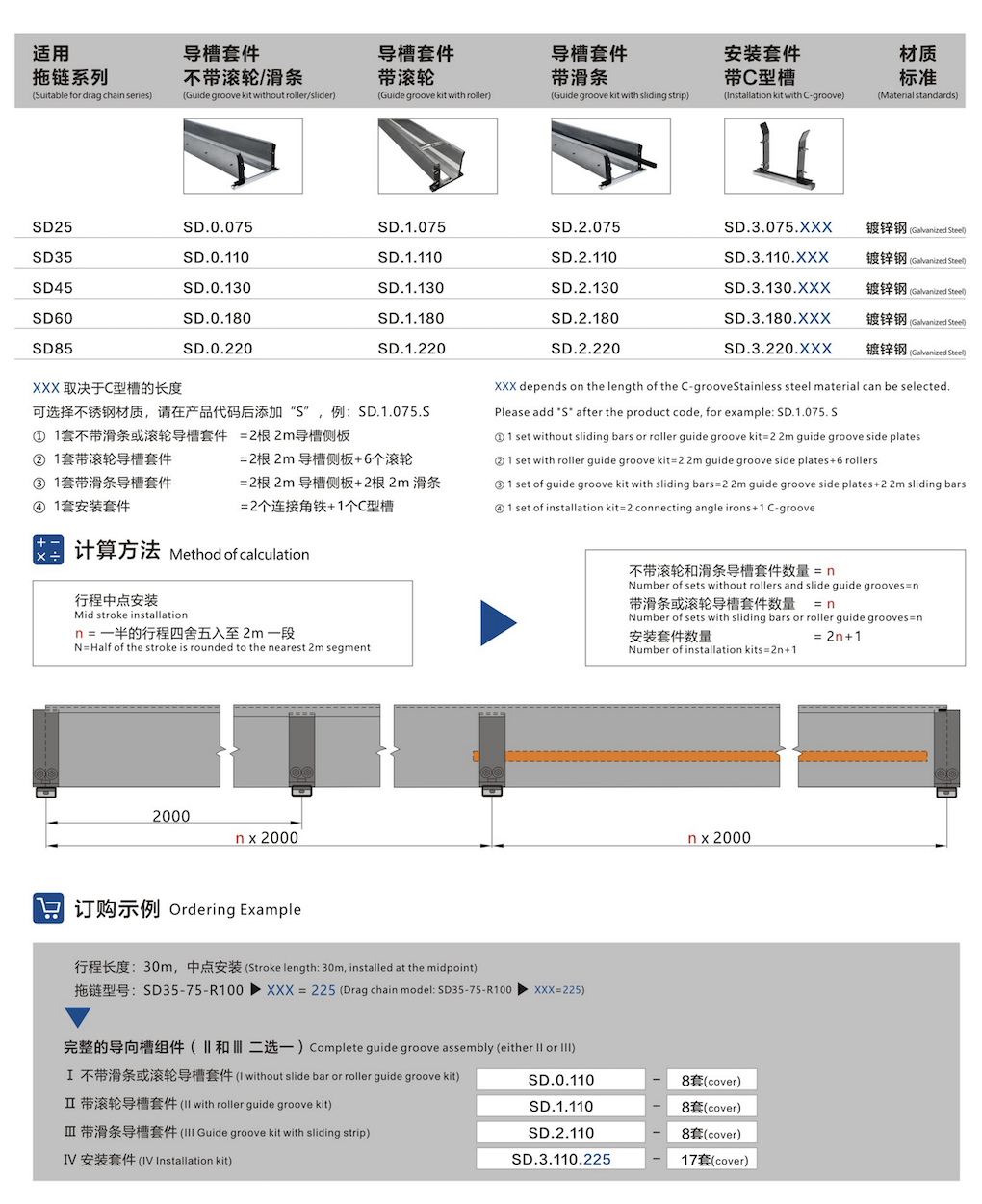
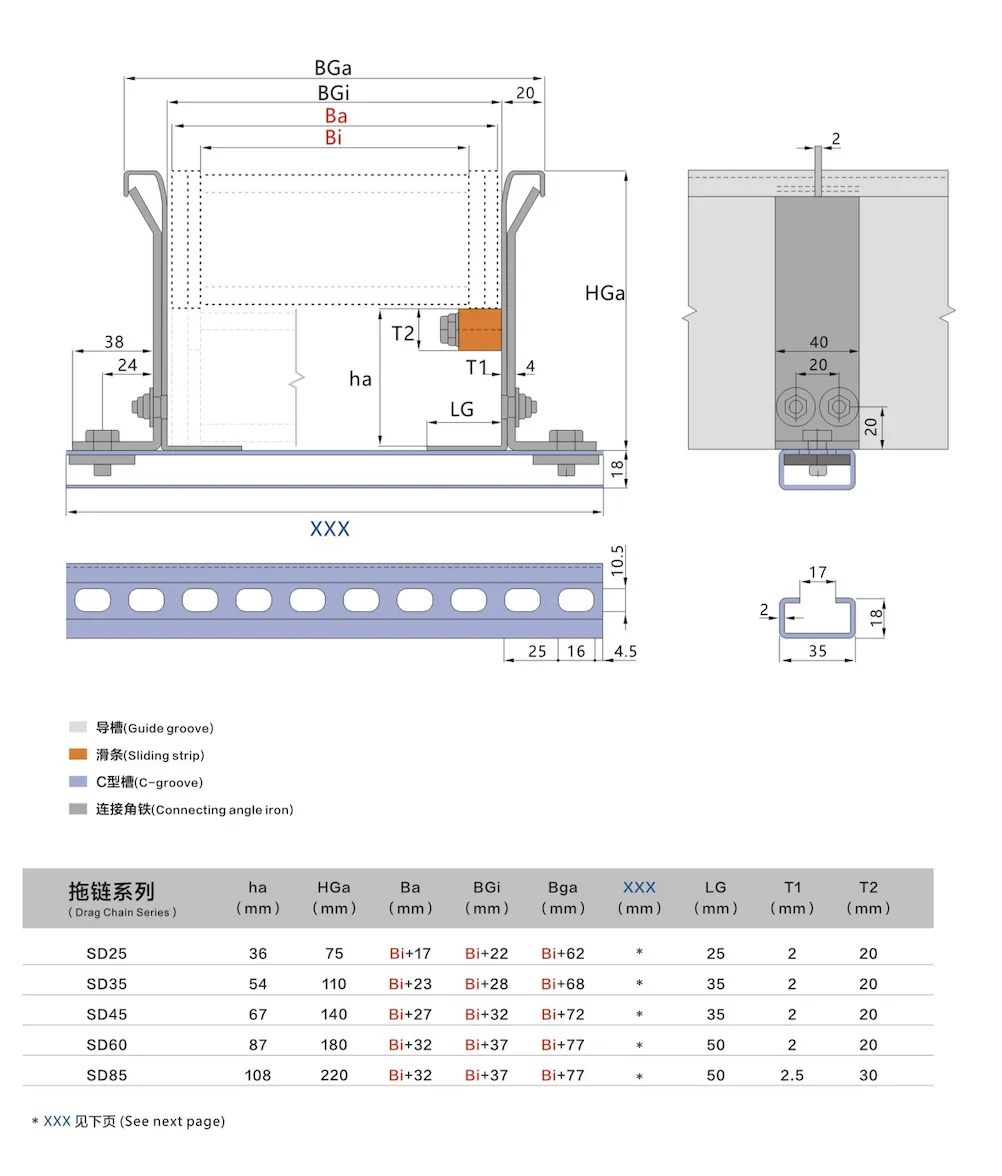
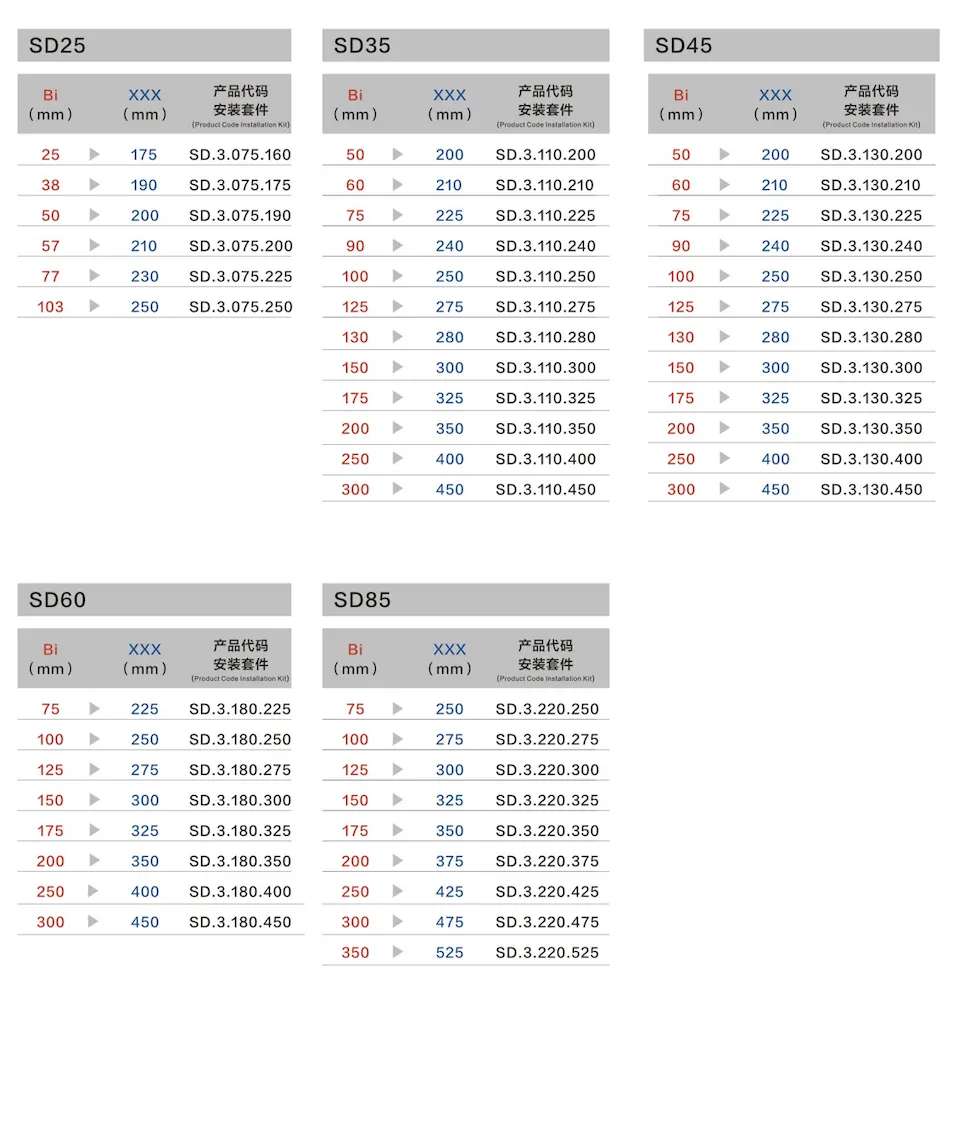
A guide groove system is a mechanical framework designed to enable precise linear or rotational movement, alignment, and stabilization of components in industrial, automotive, and automation applications. These systems consist of grooves, tracks, or channels—often paired with bearings, rollers, or sliders—to guide parts along a predetermined path with minimal friction and deviation. Constructed from hardened steel, aluminum alloys, or engineered polymers, guide grooves ensure durability under high loads, repetitive motion, and harsh environments.
With a density exceeding 5% in machinery such as CNC machines, robotic arms, and assembly lines, guide groove systems are critical for maintaining accuracy and repeatability. In semiconductor manufacturing, for example, they position wafers with micron-level precision, while in automotive production, they align welding robots for flawless component integration. Their modularity allows customization in length, groove profile, and load capacity, adapting to diverse operational needs.
Advanced designs incorporate self-lubricating materials, corrosion-resistant coatings, and vibration-dampening features to enhance longevity and performance. Innovations like sensor-integrated grooves enable real-time monitoring of wear, alignment, or positional errors, supporting predictive maintenance. Environmentally friendly variants use recyclable materials or low-energy manufacturing processes, aligning with sustainability goals.
Compliance with ISO and DIN standards ensures interoperability and safety in global markets. By minimizing mechanical play and energy loss, guide groove systems optimize efficiency in packaging machinery, medical devices, and aerospace actuators. Their high-density application in precision-driven industries underscores their role as foundational elements in modern engineering, bridging reliability, adaptability, and technological advancement. As automation and miniaturization trends accelerate, these systems remain pivotal in achieving seamless, error-free motion control.
