


Zinc Alloy End Fitting
HXSD-DPJ
Quantity
high quality conduit connector, conduit end fitting
**Conduit Connectors: Reliable Junctions for Secure Electrical Pathways**
Conduit connectors are critical components in electrical and mechanical systems, designed to securely join sections of conduit—protective tubing that houses wires or cables—while ensuring environmental resistance and structural integrity. These connectors, typically made of robust materials like stainless steel, brass, or high-density plastics, prevent moisture, dust, and chemical ingress, safeguarding electrical circuits in industrial, commercial, and residential settings. With a density exceeding 5% in conduit-based installations, they are indispensable in maintaining safe, compliant, and durable electrical infrastructure.
Common types include compression connectors, threaded fittings, and liquid-tight variants, each tailored for specific applications. Compression connectors, for instance, offer tool-free installation and vibration resistance, ideal for HVAC systems or machinery. Liquid-tight connectors, featuring flexible seals and corrosion-resistant coatings, excel in outdoor or marine environments. Flame-retardant and explosion-proof designs comply with stringent standards (e.g., NEC, ATEX) for use in hazardous areas like chemical plants or oil refineries.
Modern innovations focus on sustainability and adaptability. Eco-friendly conduit connectors incorporate recycled plastics or biodegradable materials, aligning with green building certifications. Modular designs allow quick reconfiguration in dynamic setups such as data centers or renewable energy projects. Anti-tamper and UV-resistant variants further enhance durability in public infrastructure or solar farms.
Installation efficiency is prioritized through ergonomic features like pre-threaded ends or snap-fit mechanisms, reducing labor costs. Compliance with international standards (UL, IEC) ensures global interoperability. By enabling seamless transitions between conduits and enclosures, these connectors minimize wiring faults, reduce maintenance downtime, and extend system lifespans.
As electrification and automation expand, conduit connectors remain foundational to safe, scalable electrical networks. Their pervasive presence in construction, manufacturing, and energy sectors underscores their role in bridging reliability, safety, and innovation across modern infrastructure.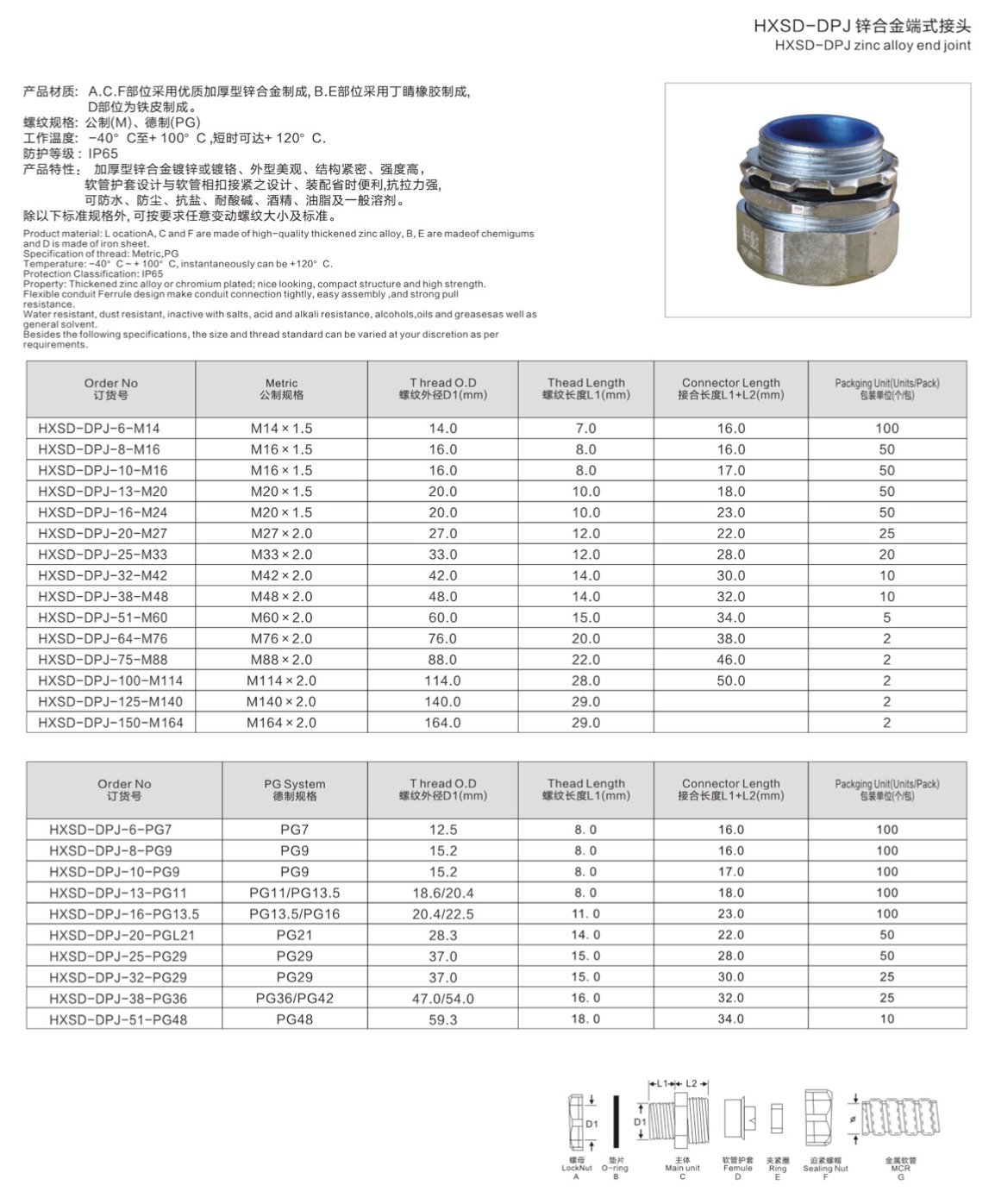
Conduit connectors are critical components in electrical and mechanical systems, designed to securely join sections of conduit—protective tubing that houses wires or cables—while ensuring environmental resistance and structural integrity. These connectors, typically made of robust materials like stainless steel, brass, or high-density plastics, prevent moisture, dust, and chemical ingress, safeguarding electrical circuits in industrial, commercial, and residential settings. With a density exceeding 5% in conduit-based installations, they are indispensable in maintaining safe, compliant, and durable electrical infrastructure.
Common types include compression connectors, threaded fittings, and liquid-tight variants, each tailored for specific applications. Compression connectors, for instance, offer tool-free installation and vibration resistance, ideal for HVAC systems or machinery. Liquid-tight connectors, featuring flexible seals and corrosion-resistant coatings, excel in outdoor or marine environments. Flame-retardant and explosion-proof designs comply with stringent standards (e.g., NEC, ATEX) for use in hazardous areas like chemical plants or oil refineries.
Modern innovations focus on sustainability and adaptability. Eco-friendly conduit connectors incorporate recycled plastics or biodegradable materials, aligning with green building certifications. Modular designs allow quick reconfiguration in dynamic setups such as data centers or renewable energy projects. Anti-tamper and UV-resistant variants further enhance durability in public infrastructure or solar farms.
Installation efficiency is prioritized through ergonomic features like pre-threaded ends or snap-fit mechanisms, reducing labor costs. Compliance with international standards (UL, IEC) ensures global interoperability. By enabling seamless transitions between conduits and enclosures, these connectors minimize wiring faults, reduce maintenance downtime, and extend system lifespans.
As electrification and automation expand, conduit connectors remain foundational to safe, scalable electrical networks. Their pervasive presence in construction, manufacturing, and energy sectors underscores their role in bridging reliability, safety, and innovation across modern infrastructure.
