Smarter Cable Control for Custom 3D Printers
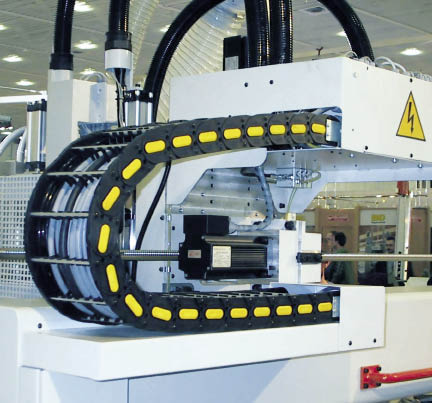
Modern desktop and DIY 3D printers are becoming more customizable than ever, but with greater flexibility comes new challenges—especially in cable management. Poor cable routing can cause print failures, inconsistent motion, and long-term damage to wiring. A 3D printed cable drag chain offers a practical and affordable solution for makers who want better organization, smoother movement, and improved reliability in custom printer builds.
Unlike bundled zip-tie solutions, drag chains guide cables along a defined path. This controlled movement is especially valuable on printer gantries where cables experience constant motion and bending. By using a printed drag chain, users can design a cable system that matches their machine’s exact dimensions and motion range.
Why Printer Gantry Cable Routing Matters
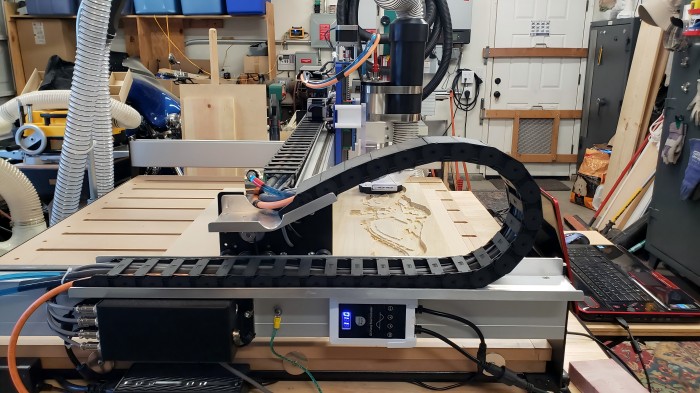
Effective printer gantry cable routing is essential for stable axis movement. On X- and Y-axis gantries, cables move repeatedly with every layer printed. Without proper guidance, they can sag, twist, or snag on frame components.
A drag chain keeps cables elevated and aligned with the gantry’s motion, preventing interference with belts, rails, and lead screws. This results in cleaner movement and reduces the risk of sudden resistance that could affect print accuracy.

Segmented Motion Cable Support Explained
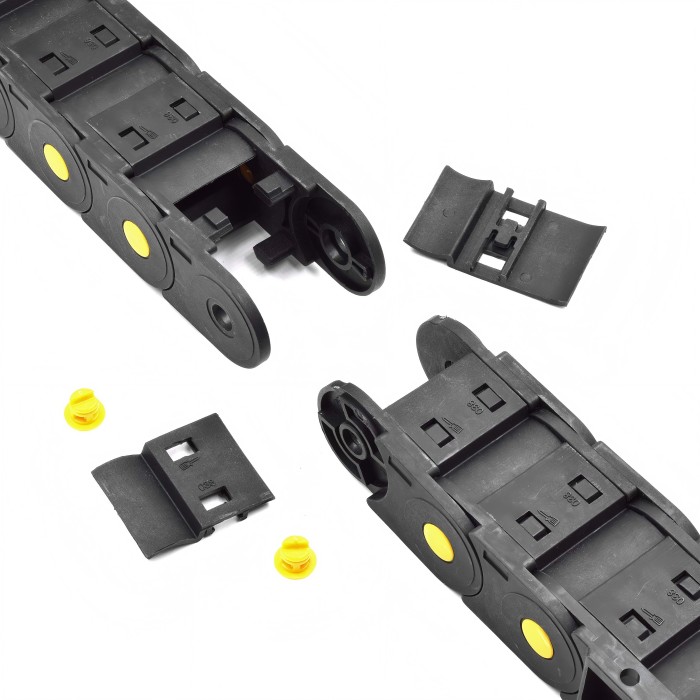
One of the key advantages of a segmented motion cable support system is flexibility. Drag chains are made up of individual links that allow controlled bending in one direction while remaining rigid in others. This segmented design ensures cables follow a consistent arc rather than folding randomly.
For 3D printers, this controlled bend radius helps extend cable life by reducing stress at connection points. It also allows the system to adapt smoothly to rapid direction changes during high-speed printing.
Achieving Stable Cable Positioning
Maintaining stable cable positioning is critical for repeatable print results. When cables move predictably, the gantry experiences less vibration and drag. This stability is particularly important for lightweight extruder setups, where even small inconsistencies can affect surface quality.
A well-designed drag chain prevents cables from swinging or pulling unevenly, supporting smoother motion across the entire print area.

Designing a Custom Printer Energy Chain
A custom printer energy chain made through 3D printing gives users full control over size, length, and mounting style. Whether upgrading an existing printer or building a machine from scratch, a printed energy chain can be tailored to fit compact frames or extended gantry systems.
Users can modify link width, internal height, and mounting brackets to suit specific cable bundles. This makes the 3D printed cable drag chain an ideal choice for experimental printers, DIY CNC-style hybrids, and educational projects.
A Practical Upgrade for Everyday Printing
Combining proper printer gantry cable routing, segmented motion cable support, and stable cable positioning, a custom printer energy chain delivers real-world improvements without high cost. For makers seeking cleaner builds and more reliable performance, a 3D printed drag chain is a simple upgrade with lasting benefits.


Compact Cable Control for Space-Limited Automation
Tevo Tarantula Drag Chain Upgrade for Smoother Prints