Choosing the Right Cable Carrier Material: Aluminum, Steel, or Plastic?
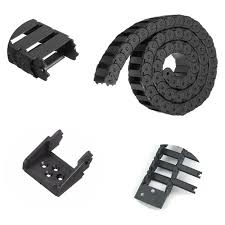
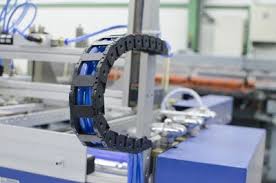
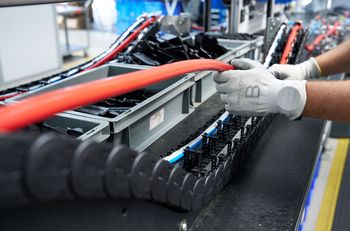
In modern industrial automation, cable carriers are essential components that protect cables and hoses from damage caused by motion, friction, and mechanical stress. However, the material of your drag chain makes a huge difference in performance, durability, and cost. Whether you choose an aluminum cable carrier, steel drag chain, or plastic wire chain, understanding their differences helps you make smarter equipment decisions.
Aluminum Cable Carrier: Lightweight and Rigid
An aluminum cable carrier is a popular choice for applications requiring both strength and lightness. Aluminum offers a perfect balance between rigidity and weight, making it ideal for robotics, CNC machines, and linear motion systems.
Its corrosion resistance and heat dissipation make it suitable for demanding environments. The modular design also allows easy assembly and maintenance. Aluminum drag chains are often used where precision, smooth movement, and aesthetics matter — offering both functionality and professional appearance.
Steel Drag Chain: Maximum Strength for Heavy Loads
When it comes to durability, the steel drag chain leads the pack. Known for its high load-bearing capacity and resistance to extreme environments, steel chains are commonly used in cranes, mining machinery, and large-scale industrial equipment.
Steel offers exceptional protection against mechanical impact and abrasion, ensuring stable performance even under harsh conditions. For industries that operate 24/7, the reliability of a steel drag chain can dramatically reduce downtime and maintenance frequency.
Plastic Wire Chain: Cost-Effective and Flexible
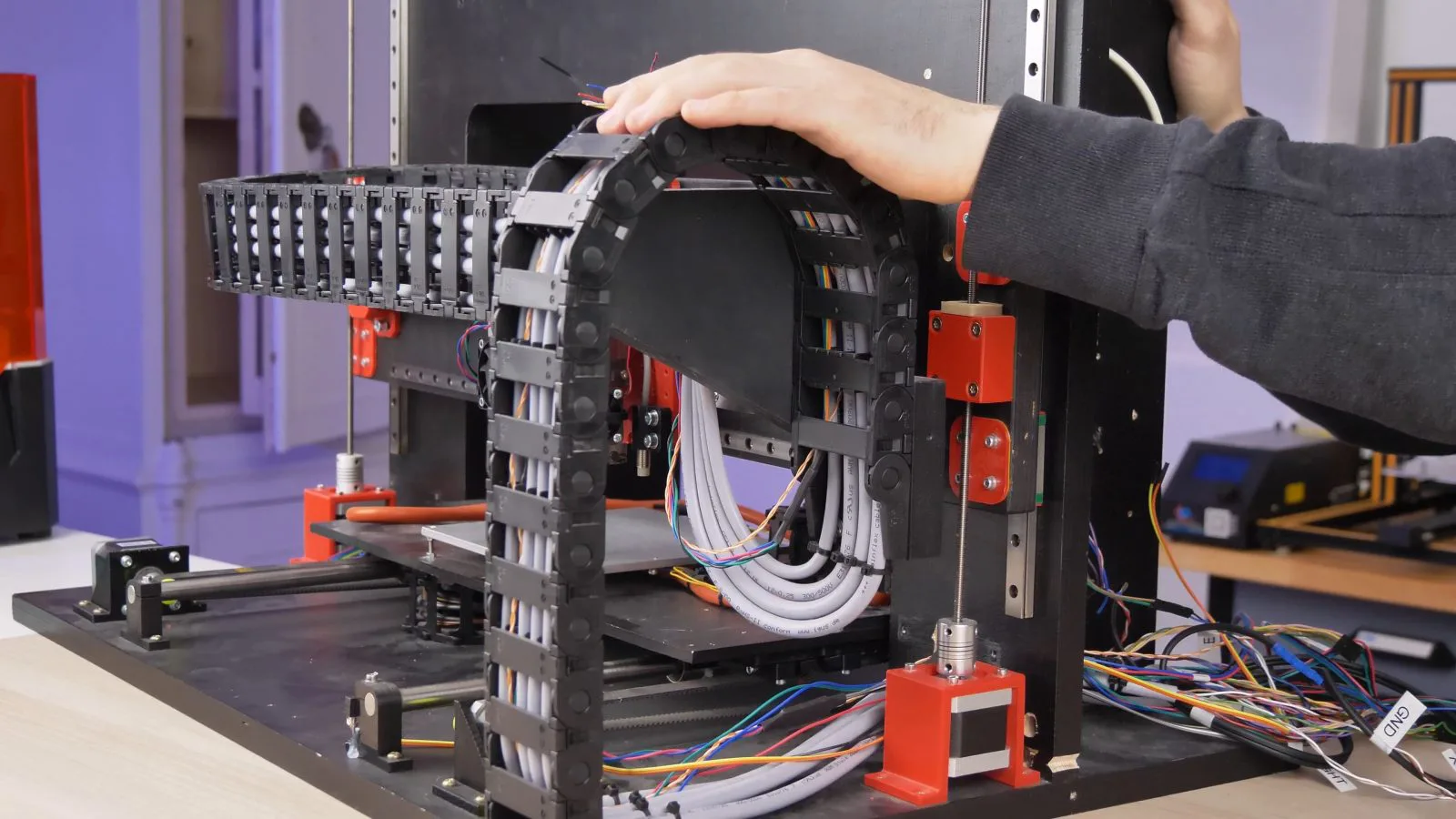
The plastic wire chain provides a lightweight, corrosion-resistant, and budget-friendly option. It is especially popular in electronics assembly, 3D printing, and packaging automation lines.
Made from reinforced nylon or other polymers, plastic drag chains are silent in operation, easy to install, and resistant to oil and chemical exposure. For customers who prioritize flexibility and cost efficiency, plastic wire chains deliver outstanding performance with minimal maintenance.
Material Comparison: Finding the Right Balance
When comparing aluminum, steel, and plastic materials, each has unique strengths:
-
Aluminum cable carriers: lightweight, corrosion-resistant, elegant design.
-
Steel drag chains: heavy-duty, strong, ideal for large industrial systems.
-
Plastic wire chains: flexible, cost-effective, and easy to maintain.
Selecting the right one depends on your application’s load, environment, and movement requirements.
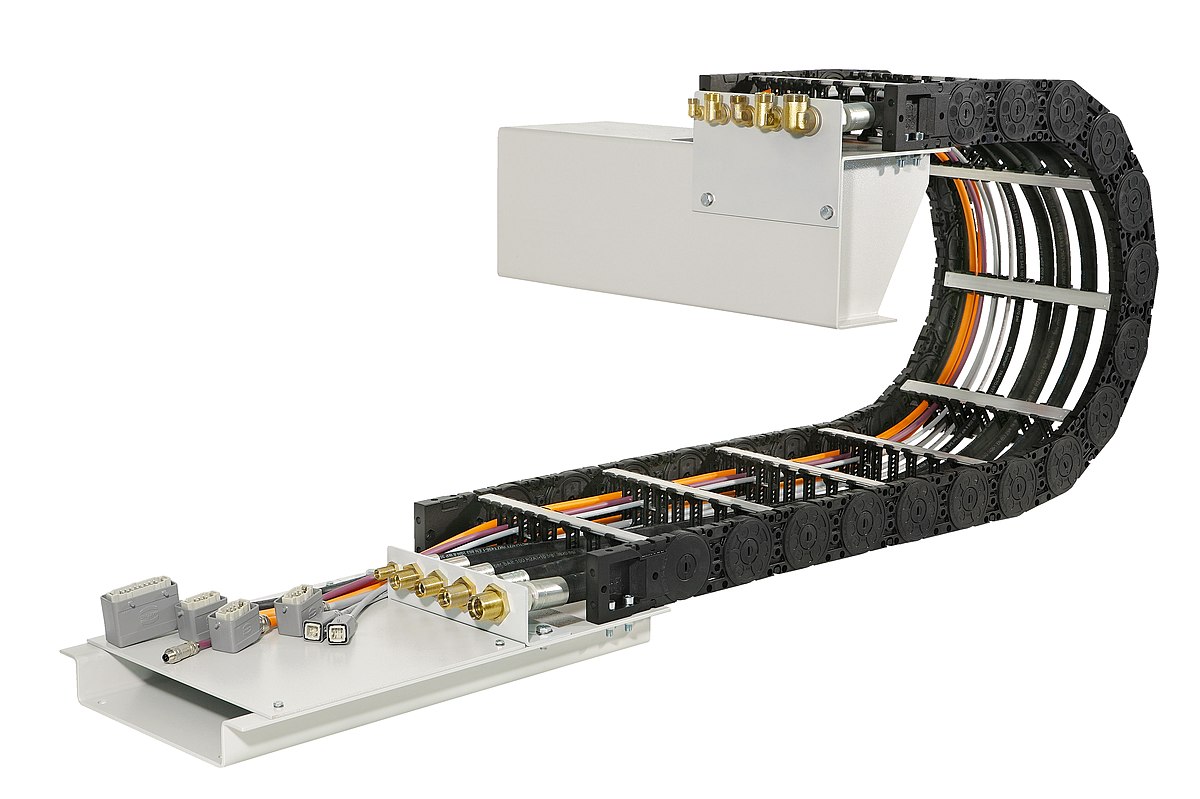
Shengda Energy Chain vs Igus: Equal Quality, Better Flexibility
When evaluating Shengda energy chain vs Igus, both deliver high-quality, precision-engineered solutions. However, Shengda provides the same performance at a lower price, with shorter lead times and greater flexibility for small-batch or custom orders.
This makes Shengda a trusted global supplier for businesses seeking efficiency, affordability, and reliable cable carrier performance.
Conclusion
Whether you’re choosing an aluminum cable carrier for its lightweight structure, a steel drag chain for durability, or a plastic wire chain for versatility, understanding material differences ensures your system performs safely and efficiently.
With Shengda’s energy chain solutions, you can enjoy Igus-level quality while saving on cost, delivery time, and customization flexibility — making Shengda the smarter choice for modern automation systems.


Nylatrac Cable Carriers: Comparing Material Performance
Reliable Crane Cable Carrier Solutions for Modern Lifting Systems