Drag Chain Unsupported Length: Calculation, Limits and Practical Solutions
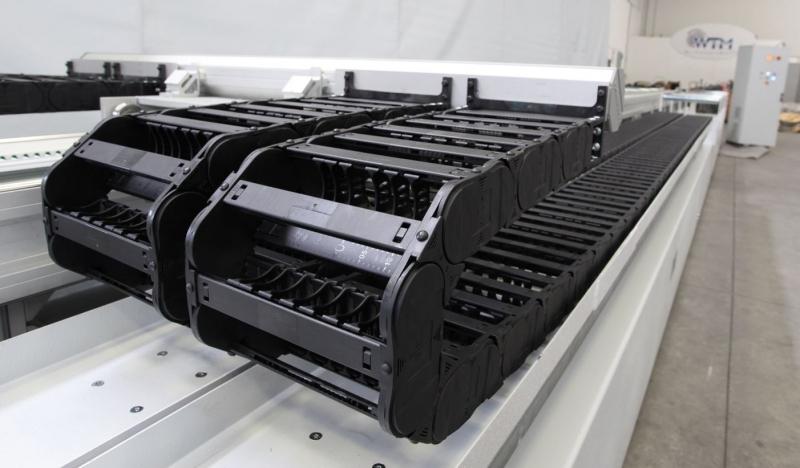
In drag chain system design, unsupported length is one of the most critical factors affecting performance and service life. However, it is often overlooked during the selection process.
Incorrect unsupported length can lead to sagging, instability, excessive wear, and even complete system failure.
In this article, we will explain what drag chain unsupported length is, how to calculate it, and how to optimize your system for long travel applications.
1. What Is Unsupported Length in a Drag Chain?
Unsupported length refers to the maximum horizontal distance a drag chain can travel without additional support.
When the unsupported length exceeds the limit:
- The chain begins to sag
- Stress increases on joints
- Movement becomes unstable
This directly affects both the drag chain and the cables inside it.
2. Why Unsupported Length Matters
Many system failures are not caused by material quality, but by exceeding the allowable unsupported length.
Common problems include:
- Premature wear of chain links
- Increased friction and noise
- Misalignment during movement
- Cable damage due to uneven stress
Understanding this parameter is essential for long-term reliability.

3. How to Calculate Drag Chain Unsupported Length
The unsupported length depends on several factors:
- Chain material (plastic or steel)
- Load (cables and hoses weight)
- Chain structure and design
- Operating speed and acceleration
As a general guideline:
- Light-duty plastic drag chains → shorter unsupported length
- Heavy-duty or steel drag chains → longer unsupported length
For precise calculation, manufacturers typically provide load diagrams and technical data.
4. Signs That Unsupported Length Is Too Long
You can identify problems in your system if you notice:
- Visible sagging in the middle of the chain
- Irregular or jerky movement
- Increased operating noise
- Accelerated wear on specific sections
These are clear indicators that additional support is required.

5. Solutions for Long Travel Applications
If your application requires long travel distances, there are several effective solutions:
5.1 Use Guide Channels
Guide channels help support the drag chain and prevent sagging.
They are widely used in:
- CNC machines
- Automated production lines
- Heavy-duty equipment
5.2 Select Heavy-Duty Drag Chains
Chains with reinforced structures or steel materials can handle longer unsupported spans.
5.3 Reduce Load Inside the Chain
Optimizing cable selection and arrangement can significantly reduce weight.
5.4 Use Gliding Applications
In gliding systems, the drag chain runs on itself or within a channel, reducing unsupported length issues.

6. Design Tips for Better Performance
To optimize drag chain performance:
- Always verify unsupported length during design
- Avoid overloading the chain
- Choose the correct chain type for long travel
- Consult with experienced manufacturers for technical support
7. Conclusion
Unsupported length is a key factor that directly impacts the performance and lifespan of a drag chain system.
Ignoring it can lead to serious operational issues, while proper design can significantly improve system reliability.
For long travel or heavy-duty applications, selecting the right drag chain and support solution is essential.
Need Help with Long Travel Drag Chain Systems?
We provide customized drag chain solutions, including guide channels and heavy-duty systems for long travel applications.
Contact us today to get professional support and optimize your system design.


How to Arrange Cables Inside a Drag Chain (Step-by-Step Guide)