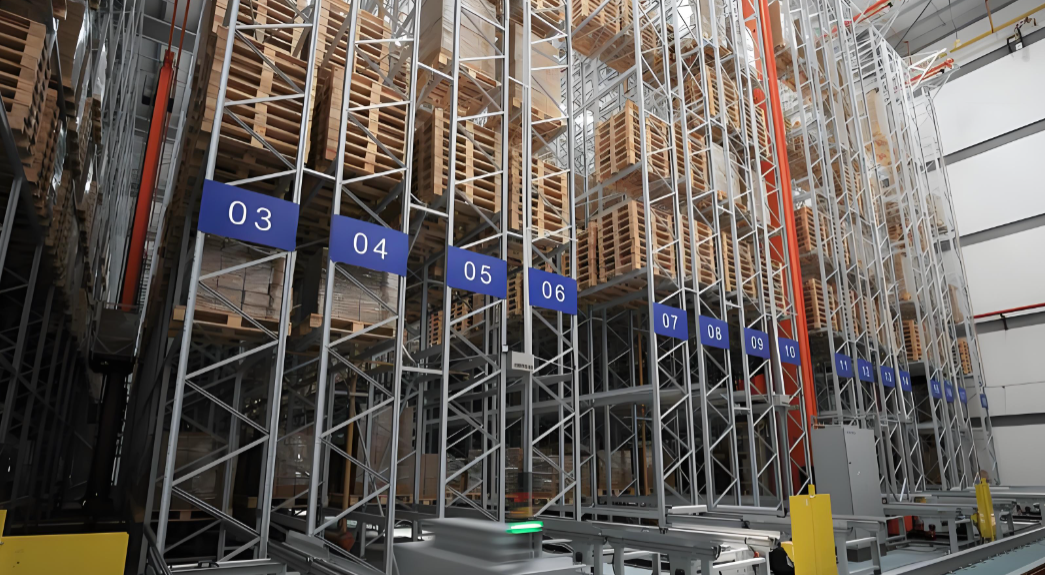
Flexible Cable Management for Packaging Automation: Improving Reliability and Efficiency
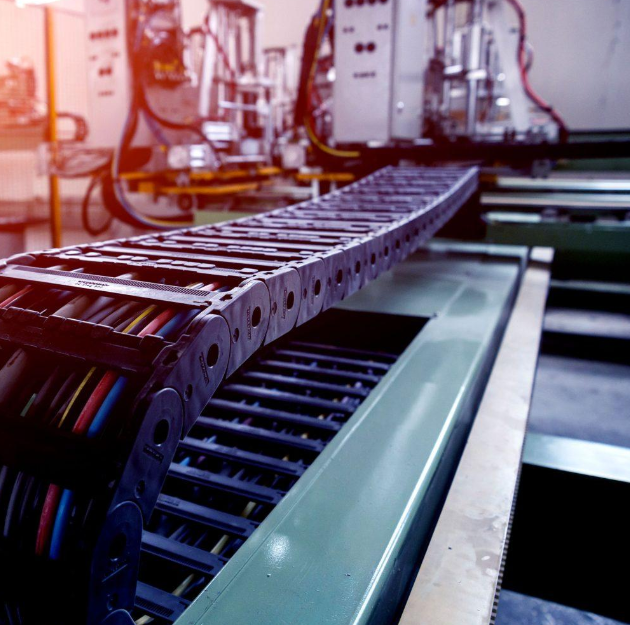
The packaging industry is rapidly evolving with the adoption of advanced automation technologies. From filling and labeling machines to palletizing robots and conveyor systems, modern packaging equipment relies on continuous movement and precise operation. As machinery becomes faster and more complex, effective cable management plays a critical role in ensuring long-term performance.
Flexible cable management systems, including drag chains and cable carriers, are designed to organize and protect moving cables, pneumatic hoses, and hydraulic lines. These solutions help packaging manufacturers minimize maintenance costs, prevent cable failures, and maximize production uptime.
Why Cable Management Matters in Packaging Automation
Packaging machines operate in dynamic environments where cables are frequently subjected to bending, twisting, and mechanical stress. Without proper protection, cables can suffer from:
- Premature wear and tear
- Abrasion and friction damage
- Tangling and snagging
- Signal interruption
- Unexpected equipment downtime
A well-designed flexible cable management system ensures that cables move safely along predefined paths while maintaining optimal bend radii and minimizing mechanical stress.
Common Applications in Packaging Machinery
Flexible cable management solutions are widely used throughout packaging production lines, including:
Conveyor Systems
Conveyor belts require moving power and control cables that must withstand continuous operation. Cable carriers help keep cables organized and protected from external damage.
Pick-and-Place Robots
Robotic arms used in packaging and palletizing perform repetitive movements that place significant stress on cables. Flexible drag chains guide cables smoothly and extend their service life.
Labeling and Printing Machines
High-speed labeling and coding systems require reliable signal transmission. Proper cable management reduces the risk of communication failures caused by cable damage.
Wrapping and Sealing Equipment
Machines with moving components need secure routing for power cables, air hoses, and sensor wires to maintain consistent operation.
Benefits of Flexible Cable Management Systems
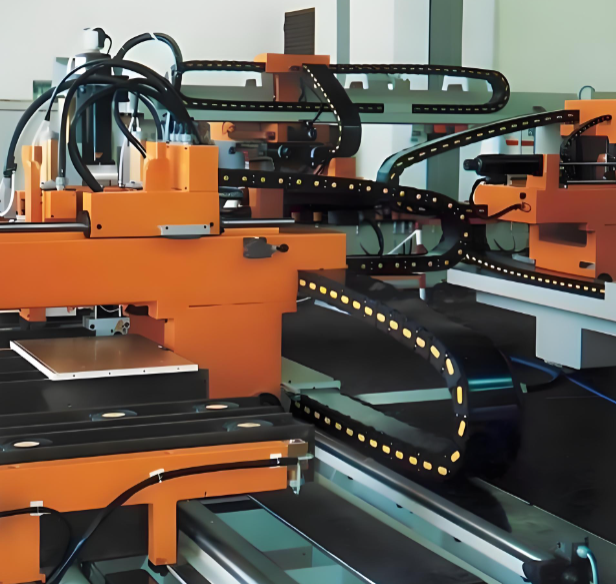
Improved Equipment Reliability
By protecting cables from excessive bending and abrasion, cable carriers reduce the likelihood of unexpected failures and production interruptions.
Reduced Maintenance Costs
Damaged cables often lead to costly repairs and downtime. Organized cable routing minimizes maintenance requirements and lowers replacement costs.
Enhanced Workplace Safety
Loose or exposed cables can create safety hazards. Flexible cable management systems keep cables contained and properly routed throughout machine operation.
Longer Cable Service Life
Maintaining the correct bend radius and preventing cable twisting significantly extends cable lifespan, reducing total ownership costs.
Better Machine Performance
Reliable cable movement supports stable power supply and signal transmission, helping automated packaging equipment operate at peak efficiency.
Choosing the Right Cable Management Solution
Selecting the appropriate cable management system depends on several factors:
Travel Length
Long-travel applications may require heavy-duty drag chains with enhanced support structures.
Load Capacity
The weight and quantity of cables and hoses determine the required chain size and strength.
Environmental Conditions
Packaging facilities may expose equipment to dust, moisture, cleaning chemicals, or temperature variations. Materials should be selected accordingly.
Movement Speed and Acceleration
High-speed machinery requires cable carriers designed to handle frequent movement cycles without compromising performance.
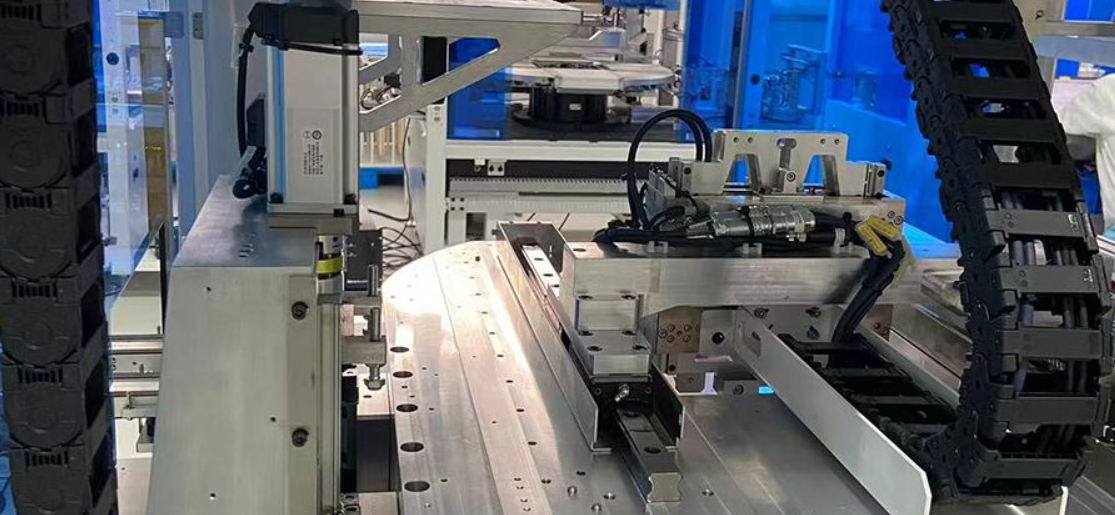
Why Drag Chains Are Ideal for Packaging Automation
Drag chains provide a reliable and cost-effective solution for protecting moving cables in automated packaging systems. Their advantages include:
- Organized cable routing
- Reduced cable wear
- Easy installation and maintenance
- High flexibility
- Long service life
- Compatibility with power, data, pneumatic, and hydraulic lines
As packaging lines become increasingly automated, drag chains help maintain operational reliability while supporting higher production speeds.
Future Trends in Packaging Automation
The growing demand for smart factories and Industry 4.0 technologies is driving the need for more advanced cable management solutions. Modern packaging systems integrate sensors, robotics, machine vision, and real-time data communication, all of which depend on reliable cable protection.
Flexible cable management systems will continue to play an essential role in supporting intelligent manufacturing environments by ensuring safe, efficient, and uninterrupted machine operation.
Conclusion
Flexible cable management is a critical component of successful packaging automation. By protecting cables and hoses from mechanical stress, cable carriers and drag chains help improve equipment reliability, reduce downtime, and extend service life.
For packaging machinery manufacturers and automation integrators, investing in high-quality cable management solutions is an effective way to enhance productivity, lower maintenance costs, and ensure long-term operational performance.


Drag Chains in Automated Warehouse Systems: The Unsolved Challenge of Modern Logistics