CNC Drag Chain Guide: Routing, Installation & Materials
Understanding the CNC Drag Chain Guide
Managing cables efficiently is crucial in CNC machines to ensure performance, safety, and longevity. This CNC drag chain guide will walk you through the essentials of choosing the right drag chain, installation methods, and how to route your cables properly. Whether you're a hobbyist or an automation engineer, proper cable management makes a big difference.
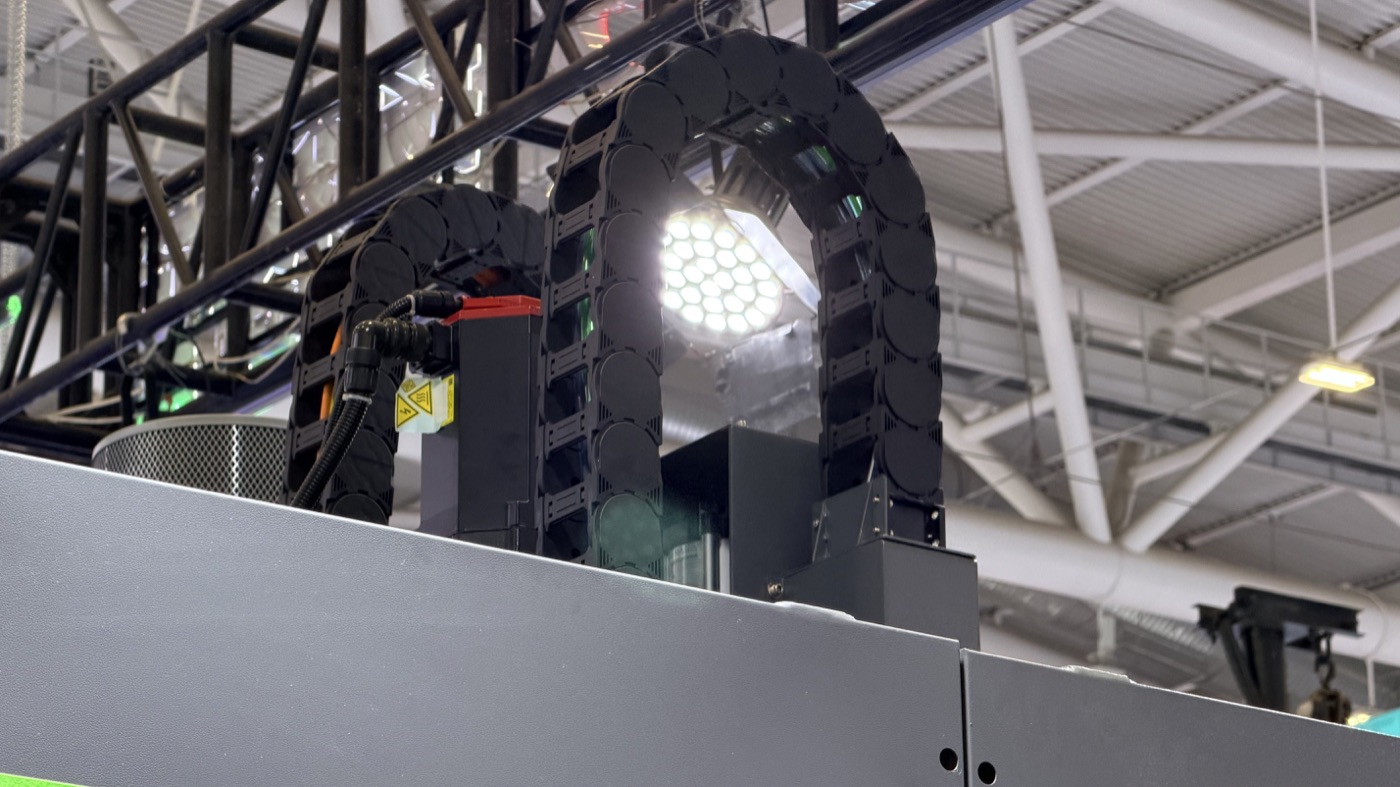
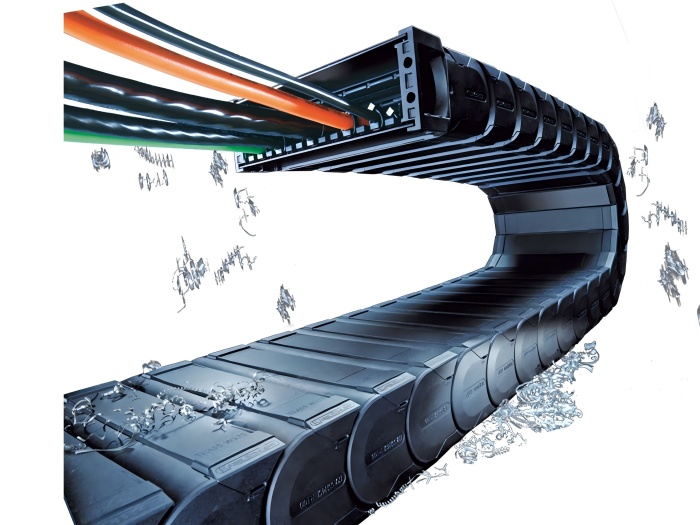
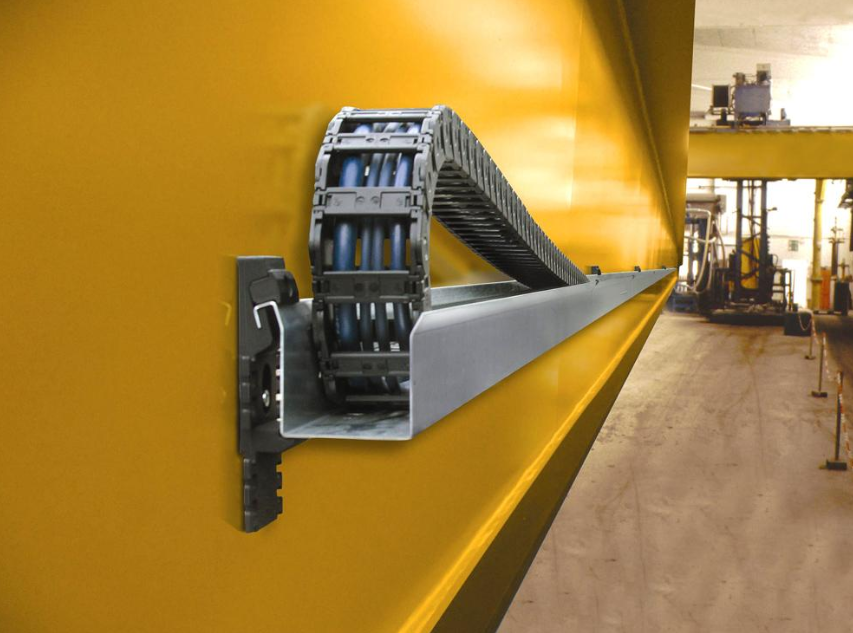
Drag chains—also known as energy chains—are designed to protect cables from wear, entanglement, and damage during repetitive motion. Choosing the right chain and installing it properly enhances machine performance while reducing downtime.


How to Install CNC Energy Chain Correctly
If you're wondering how to install CNC energy chain, follow these steps for a smooth setup:
-
Measure the cable bundle – Determine the inner space needed for your wires and hoses.
-
Select the correct chain – Choose between plastic vs metal drag chain depending on your environment and load.
-
Mount brackets firmly – Attach the chain to both the moving and fixed ends of your machine securely.
-
Lay cables loosely – Avoid tight bends; allow cables some freedom inside the chain.
-
Secure ends and test – Run the machine slowly to ensure there's no snagging or excessive tension.
At SONDA, we offer installation support and design consulting to make the process easier.
Installation Dimensions for Four Common CNC Sizes
Inner height on its own does not tell you whether a chain will fit. Five numbers move together, and every one of them is fixed per series rather than chosen freely.
| Series | Inner height H | Inner width options | Bend radius R | Pitch | Links per metre | Mounting height | Max cable dia. |
|---|---|---|---|---|---|---|---|
| HXSD03B | 10 mm | 11 / 15 / 20 mm | 18 / 28 / 38 / 48 mm | 20 mm | 50 | H + 15 mm | 3 to 7.5 mm |
| HXSD07 | 15 mm | 15 / 20 / 30 / 40 mm | 28 / 38 / 48 mm | 22 mm | 48 | H + 20 mm | 13 mm |
| HXSD17 | 20 mm | 25 / 38 / 50 / 57 mm | 40 / 55 / 75 / 100 / 125 mm | 46 mm | 22 | H + 35 mm | 19 mm |
| HXSD02AJ | 25 mm | 25 / 38 / 40 / 50 mm | 48 / 55 / 75 / 100 / 125 mm | 24 mm | 42 | H + 34 mm | 22 mm |
| HXSD21 | 30 mm | 25 / 38 / 50 / 57 mm | 55 / 75 / 100 / 125 / 150 mm | 46.3 mm | 22 | H + 45 mm | 27 mm |
Mounting height is the number people forget. A chain with a 20 mm inner height needs 35 mm of clearance above the mounting face before the bend radius is even considered, so a 40 mm gap under the axis cover quietly rules out the whole series.
CNC Cable Chain Routing Tips
Routing your drag chain correctly helps prevent friction, overheating, and early cable failure. Here are expert CNC cable chain routing tips:
-
Avoid overfilling your chain: keep 20-30% free space inside
-
Separate cables by function: high voltage and signal cables should be apart
-
Use strain relief clamps at both ends
-
Check bending radius: follow the minimum bending radius guidelines to avoid wire breakage
Plastic vs Metal Drag Chain Guide
In this plastic vs metal drag chain guide, we compare materials:
-
Plastic chains: Lightweight, corrosion-resistant, ideal for fast-moving CNC and indoor machines
-
Metal chains: Durable under extreme temperatures and heavy loads, suitable for harsh environments
Shengda’s high-performance plastic drag chains are engineered to provide the same durability as leading brands like igus, but at a more competitive price point.

Chain Length from Stroke: The Formula and the Rounding
Chain length is not the machine travel. It is half the travel plus a constant that depends on bend radius and pitch:
L = S / 2 + K, where K = pi x R + 2 x pitch
| Stroke S | HXSD17, R 55 mm (K = 265) | HXSD17, R 75 mm (K = 328) | HXSD02AJ, R 48 mm (K = 199) |
|---|---|---|---|
| 600 mm | 565 mm | 628 mm | 499 mm |
| 900 mm | 715 mm | 778 mm | 649 mm |
| 1,200 mm | 865 mm | 928 mm | 799 mm |
| 1,600 mm | 1,065 mm | 1,128 mm | 999 mm |
| 2,000 mm | 1,265 mm | 1,328 mm | 1,199 mm |
Then round up to a whole number of links. At 46 mm pitch, 865 mm becomes 19 links, or 874 mm. Rounding down is what puts a chain under tension at the end of stroke, and that tension is the most common single cause of jacket failure on a CNC axis.
Sizing a chain for a CNC axis and getting two different answers?
Send us the axis travel, the cable list with outer diameters and the space under the cover. Our engineers reply with the series, bend radius and exact chain length in links, usually within one working day.
Related guides
Cable Management Chain for Robots: Where Linear Chains Fail
CNC Drag Chain Replacement: Six Dimensions to Match