Drag Chain Thingiverse Designs vs Industrial Cable Chains
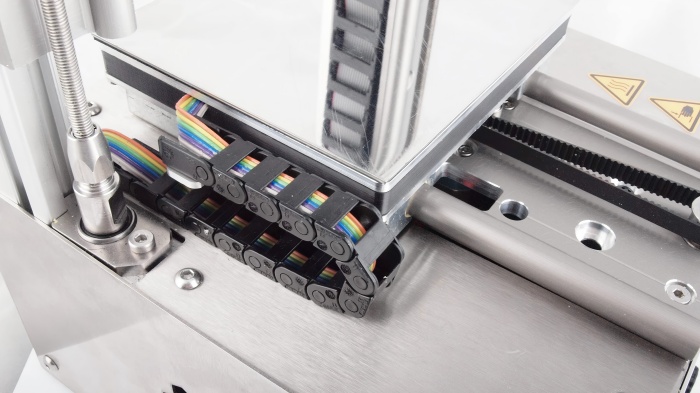
The rapid growth of desktop CNC machines and 3D printers has made cable management a common challenge for makers and small workshops. One popular solution is the drag chain Thingiverse community, where thousands of users share printable designs for organizing moving cables. These files offer a quick and low-cost entry point into cable management, especially for DIY projects and personal machines.
However, as machines become faster, larger, or more heavily used, it becomes important to understand the limitations of 3D printed solutions and how they compare with industrial-grade drag chains.
Understanding Open Source Cable Chain Design
An open source cable chain design allows users to download, modify, and customize drag chain models freely. This flexibility is a major reason why Thingiverse drag chain files are so popular among hobbyists and prototyping labs.
Open-source designs typically focus on simplicity and printability. Users can adjust link size, bending radius, or mounting holes to fit specific machines. For short travel distances and light cable loads, these designs can perform surprisingly well.
Modular Drag Chain Links for Custom Routing
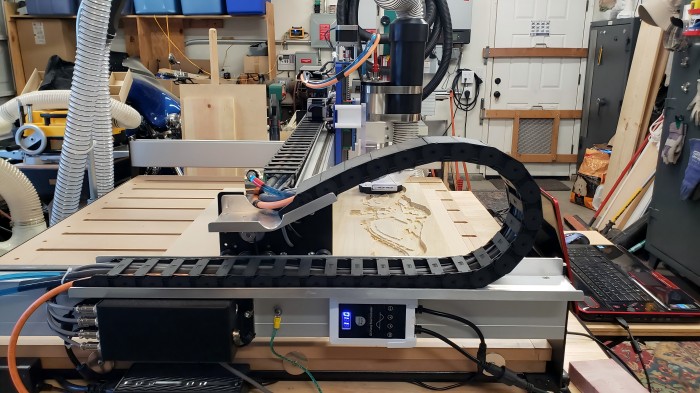
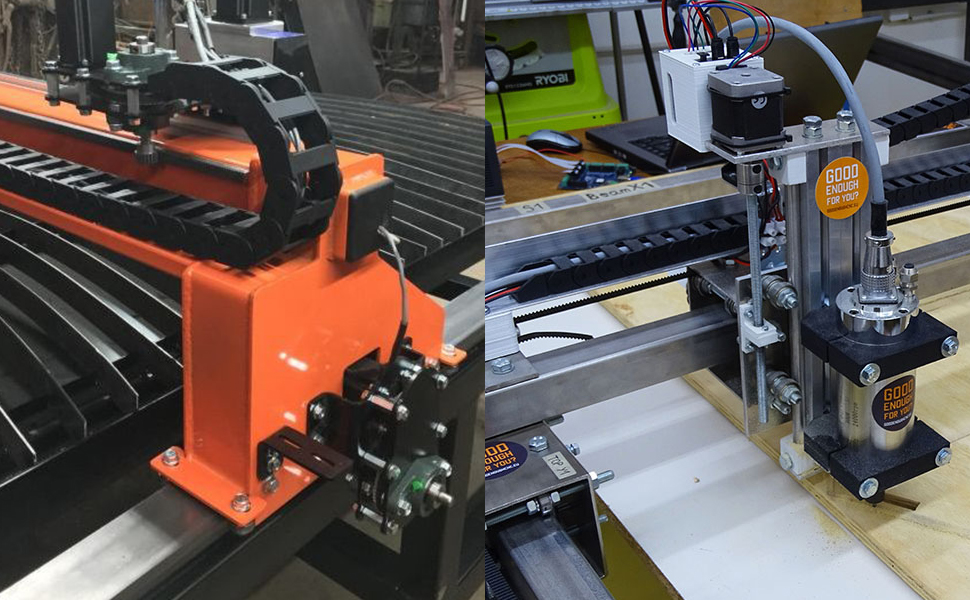
Most printable chains are built from modular drag chain links, allowing users to extend or shorten the chain by adding or removing segments. This modular structure makes it easy to route cables along X-axis, Y-axis, or Z-axis motion systems in printers and CNC routers.
However, printed modular links often rely on snap-fit joints or thin hinges, which can wear out over time—especially in high-cycle or high-speed applications.
Benefits and Limits of Flexible 3D Printed Drag Chain
A flexible 3D printed drag chain is lightweight, inexpensive, and easy to replace. For beginners, it offers a practical way to improve cable organization and reduce tangling without purchasing industrial components.
That said, printed chains are limited by filament material and layer adhesion. PLA and PETG can become brittle or deform under heat, while flexible materials may lack structural stability. These factors affect long-term reliability.
Printed vs Injection Molded Drag Chain Comparison
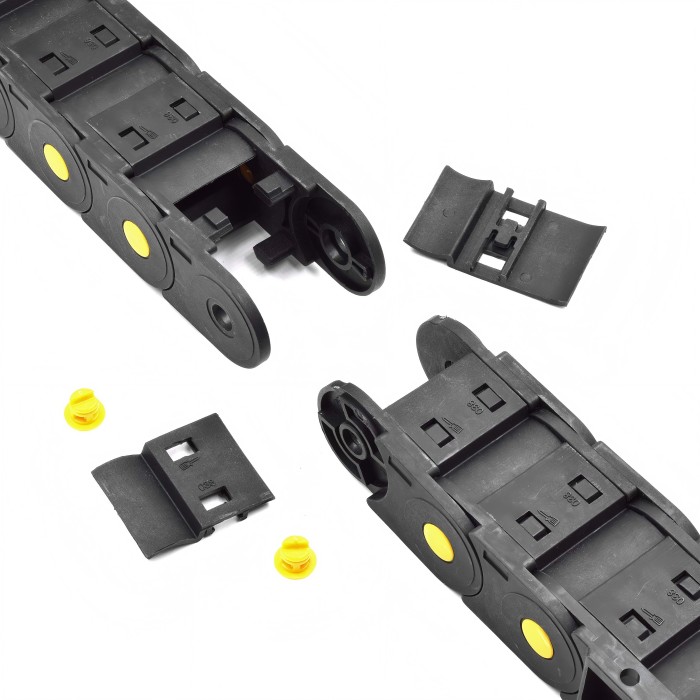
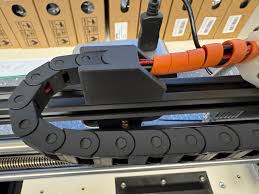
When comparing printed vs injection molded drag chain systems, the difference becomes clear in durability and performance. Injection molded drag chains use reinforced engineering plastics with consistent strength and precise tolerances.
| Feature | 3D Printed Drag Chain | Injection Molded Drag Chain |
|---|---|---|
| Load capacity | Low | Medium to high |
| Wear resistance | Limited | Excellent |
| Noise level | Moderate | Low |
| Service life | Short-term | Long-term |
| Best use | DIY & prototyping | Industrial & commercial |
Choosing the Right Cable Chain for Your Project
While drag chain Thingiverse designs are ideal for experimentation and learning, industrial systems benefit from professional cable chain solutions. As machines scale up, injection molded drag chains provide smoother motion, longer life, and better cable protection.
Understanding the strengths of open source cable chain design helps users make informed decisions—starting with printed solutions and upgrading when performance demands increase.


Tevo Tarantula Drag Chain Upgrade for Smoother Prints
Lightweight Hygienic Cable Carriers for Food Processing