Drag Chain Bending Radius Calculation: A Practical Guide for Engineers
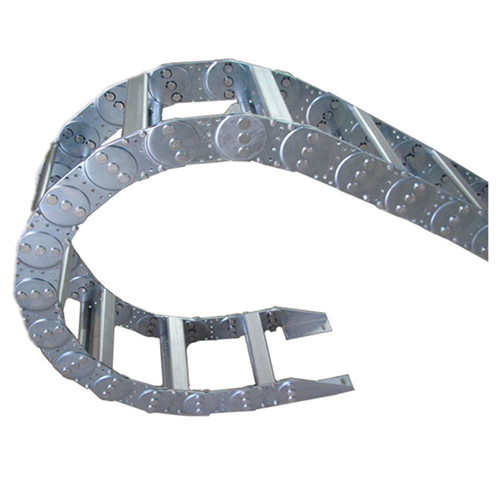
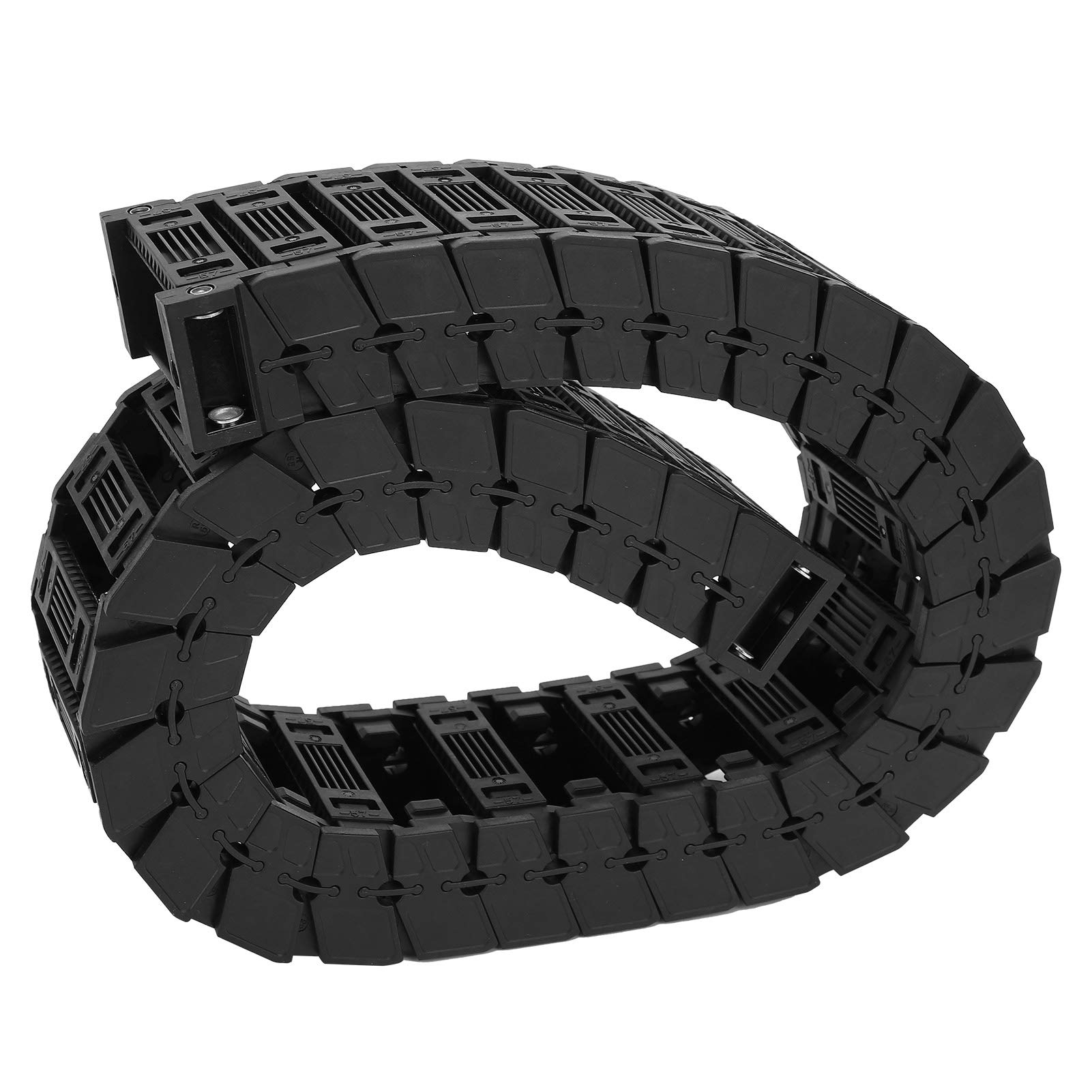
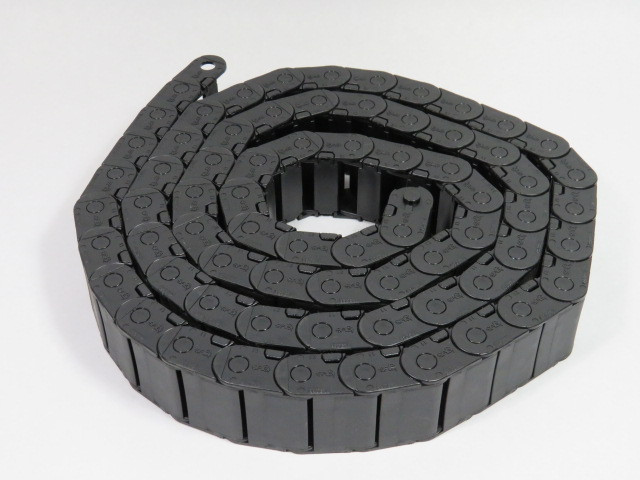
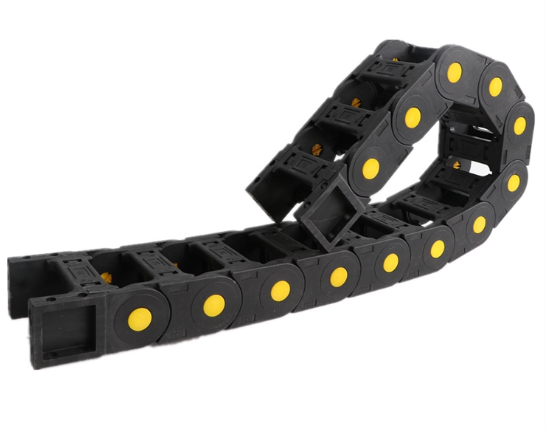
In modern industrial automation, drag chains—also known as cable carriers or energy chains—play an important role in protecting cables and hoses during continuous motion. They are widely used in CNC machines, robotic systems, automated production lines, and various moving machinery.
One of the most critical factors when selecting or designing a drag chain system is the bending radius. A correct bending radius ensures smooth movement, protects cables from damage, and significantly extends the service life of the entire system.
This article explains what the drag chain bending radius is, why it matters, and how to calculate the correct bending radius for your application.
What Is the Bending Radius of a Drag Chain?
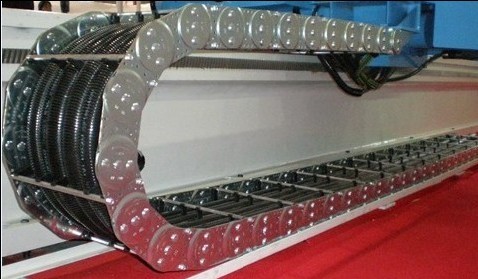
The bending radius refers to the radius formed when the drag chain bends during operation. It represents the minimum curved shape the chain can form without causing excessive stress on the cables inside.
In practice, the bending radius determines:
- the smoothness of the chain movement
- the safety of internal cables and hoses
- the overall lifespan of the cable management system
If the bending radius is too small, cables may experience excessive bending stress, which can lead to insulation damage, signal loss, or premature cable failure.
For this reason, proper bending radius selection is essential when designing a cable carrier system.
Why Bending Radius Calculation Is Important
Correct drag chain bending radius calculation offers several advantages:
1. Protects Internal Cables
Cables and hoses have their own minimum bending radius. Choosing the correct drag chain radius prevents cable fatigue and mechanical stress.
2. Improves System Reliability
A properly calculated drag chain moves smoothly without excessive friction or vibration.
3. Extends Service Life
Reducing stress on both the chain and cables helps extend the operating life of the entire motion system.
4. Prevents Unexpected Downtime
Incorrect cable routing or tight bending can cause cable damage, resulting in machine downtime and maintenance costs.
Basic Principle of Drag Chain Bending Radius Calculation
The general rule for calculating drag chain bending radius is based on the minimum bending radius of the cables inside the chain.
A common guideline used by engineers is:
Drag Chain Bending Radius ≥ Minimum Cable Bending Radius
In many applications, the drag chain radius should be slightly larger than the cable requirement to ensure safe operation.
For example:
If the cable’s minimum bending radius is 75 mm, the drag chain radius should typically be 75 mm or larger, often selected as 80 mm or 100 mm depending on standard chain sizes.
Typical Cable Bending Radius Guidelines
Cable manufacturers usually define the minimum bending radius based on cable diameter.
Typical recommendations include:
- Fixed installation: 5 × cable diameter
- Flexible installation: 7.5 × cable diameter
- Continuous movement: 10 × cable diameter or more
Example calculation:
Cable outer diameter: 12 mm
Minimum bending radius:
10 × 12 mm = 120 mm
Therefore, the drag chain bending radius should be 120 mm or larger.
Steps to Calculate the Proper Drag Chain Radius
Engineers usually follow these steps when designing a drag chain system.
Step 1: Identify Cable Specifications
Collect the following information:
- cable diameter
- minimum bending radius
- cable type (power cable, signal cable, pneumatic hose, etc.)
Step 2: Determine the Largest Bending Requirement
When multiple cables are used, select the largest minimum bending radius among them.
Step 3: Select the Appropriate Drag Chain Radius
Choose a drag chain model whose bending radius is equal to or larger than the required value.
Standard drag chain radii commonly include:
- 28 mm
- 38 mm
- 48 mm
- 75 mm
- 100 mm
- 125 mm
- 150 mm
- 200 mm
Step 4: Verify Installation Space
Ensure that the selected radius fits within the available machine space and travel path.
Common Mistakes in Drag Chain Radius Selection
Even experienced engineers sometimes make mistakes when selecting drag chains. The most common issues include:
Choosing a Radius That Is Too Small
This can cause cable stress, leading to premature cable failure.
Ignoring Cable Manufacturer Recommendations
Each cable type has its own bending limits. Ignoring these limits may damage the cable insulation.
Overfilling the Drag Chain
Cables should not occupy more than 60–70% of the chain’s internal space. Proper spacing helps prevent friction and tangling.
Mixing Incompatible Cables
Power cables and signal cables should be properly separated to reduce interference and wear.
Additional Factors Affecting Drag Chain Design
Besides bending radius, several other factors influence the performance of a cable carrier system:
- travel length of the machine
- movement speed and acceleration
- environmental conditions (dust, oil, coolant)
- cable weight and arrangement
Proper system design ensures reliable operation even in demanding industrial environments.
Choosing the Right Drag Chain Manufacturer
When selecting a drag chain supplier, it is important to work with an experienced manufacturer who understands cable management engineering.
A reliable manufacturer can provide:
- technical support for drag chain selection
- customized solutions for special equipment
- durable materials suitable for heavy-duty applications
High-quality drag chains are widely used in industries such as CNC machinery, robotics, automated manufacturing, logistics systems, and packaging equipment.
Conclusion
The bending radius is a key parameter in drag chain system design. Proper drag chain bending radius calculation protects cables, ensures smooth machine operation, and improves long-term system reliability.
By understanding cable requirements and following standard engineering guidelines, engineers can select the most suitable drag chain for their equipment.
If you are designing a new automation system or upgrading an existing machine, careful drag chain selection will help ensure safe and efficient cable management.


Steel vs. Plastic: Selecting the Right Material for Your Long Travel Drag Chain in Harsh Environments