Steel vs. Plastic: Selecting the Right Material for Your Long Travel Drag Chain in Harsh Environments
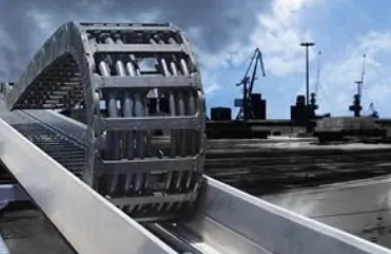
When designing automated systems for harsh environments—whether a steel mill, a mining operation, or a marine port—one of the most critical decisions you will make is choosing the right material for your drag chain (also known as a cable carrier or energy chain). The chain's job is to protect and guide cables and hoses through continuous motion, and in a long-travel application, the margin for error is zero.
The market generally offers two main contenders: high-performance plastics and durable steel. While plastic chains have grown in popularity for their lightness and flexibility, steel remains the unmatched workhorse for heavy-duty, long-travel applications in abrasive, high-temperature, or high-impact settings.
So, how do you decide which material is right for your specific project? This guide breaks down the key differences to help you make an informed choice.
The Case for Steel: Unmatched Robustness
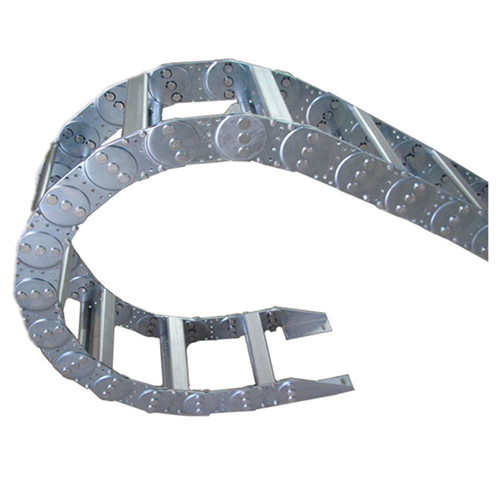
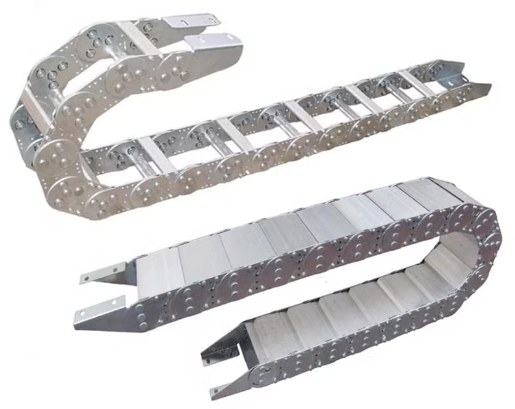
Steel drag chains are often the first choice for medium to heavy-duty applications, especially where conditions are harsh. Their primary advantage lies in their sheer strength and resilience.
1. Superior Strength and Load Capacity
Steel chains, often constructed from carbon steel, stainless steel, or even hardened alloys, offer exceptional tensile strength. This is crucial for long travel distances where the chain must support its own weight plus the weight of heavy cables and hoses without excessive sagging. They generally outperform plastic types in terms of unsupported length and span.
2. Extreme Temperature Resistance
If your application involves high heat, steel is the clear winner. While some high-end plastic chains can struggle above 100°C, steel chains can easily withstand temperatures up to 600°C without any adverse effects. This makes them ideal for foundries, steel mills, and applications involving hot swarf or chips.
3. Resilience in Abrasive Environments
In environments filled with metal shavings, rocks, or debris, plastic can wear down quickly. Steel is far more resilient to abrasion and impact. If a maintenance worker accidentally steps on a steel chain, it will not bend or break; it will continue to protect the valuable cables inside.
4. Long-Term Durability
While the upfront cost may be higher, the total cost of ownership for a steel chain in a harsh environment is often lower. Its resistance to wear, crushing forces, and corrosion (especially with stainless steel variants) translates to a significantly longer service life, reducing downtime and replacement costs.
The Case for Plastic: Lightweight and Flexible
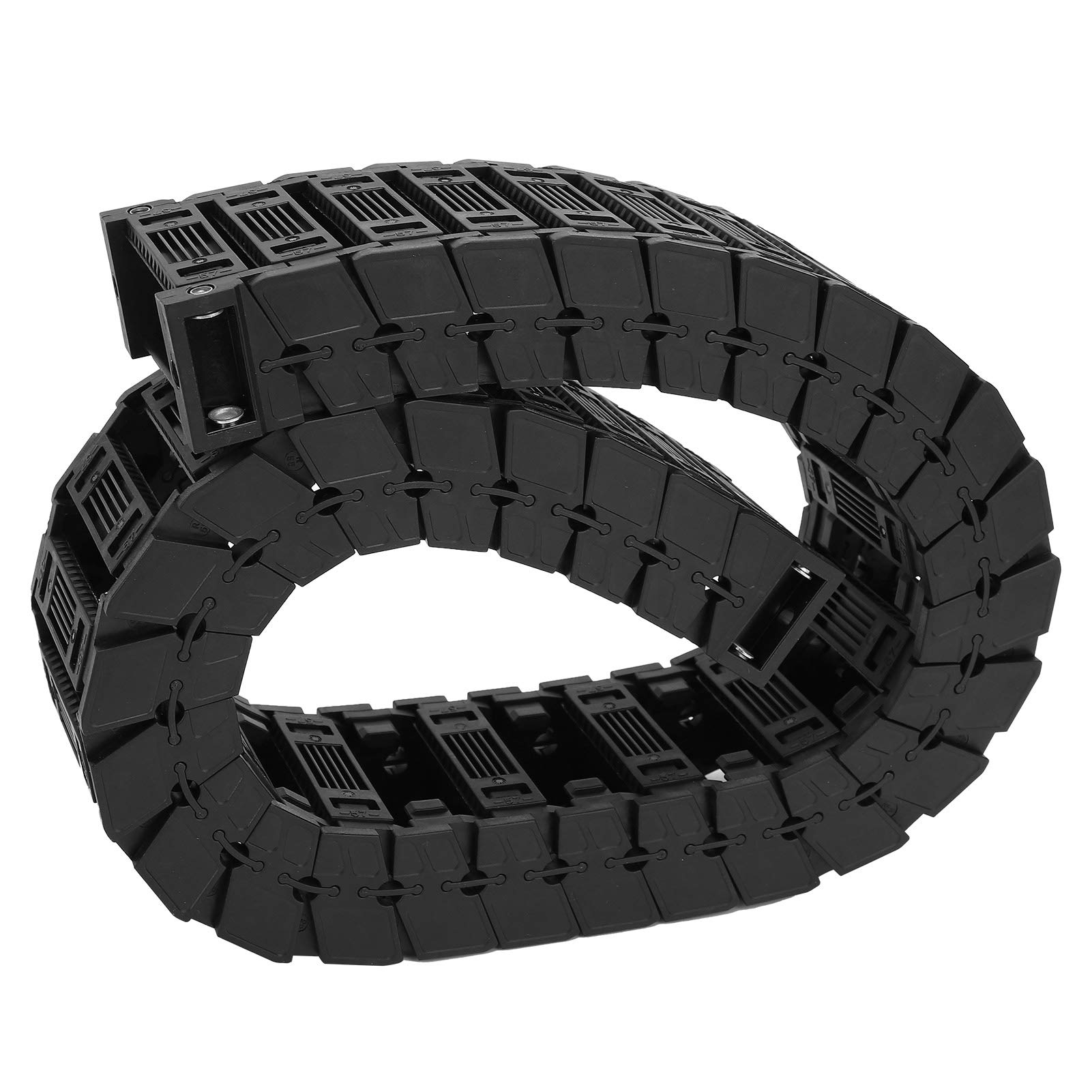
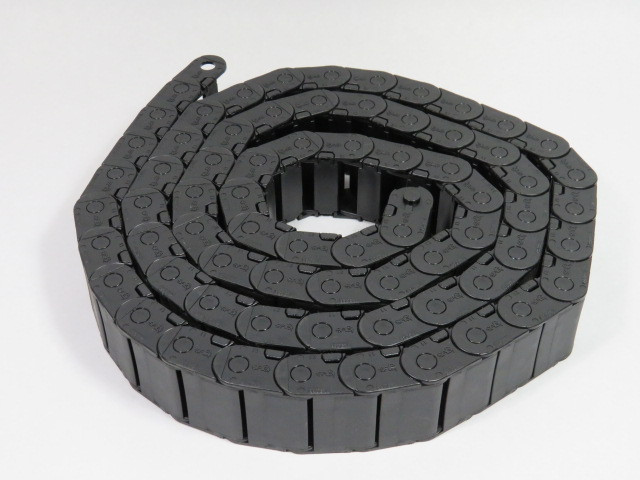
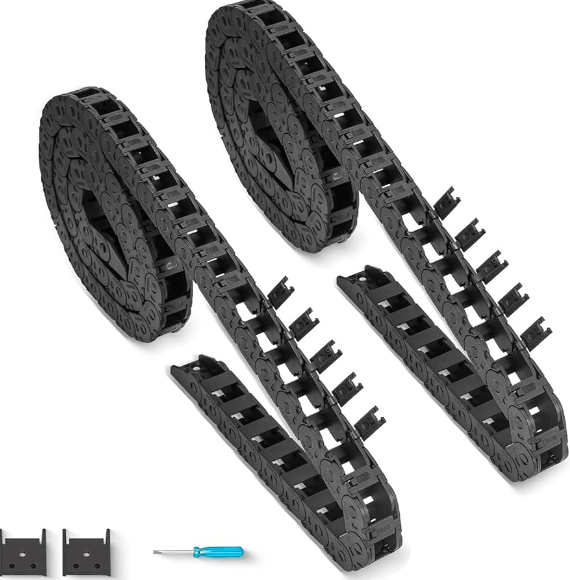
Modern engineering plastics, such as reinforced nylon and POM, have revolutionized cable carrier technology for a reason. They offer distinct advantages in the right contexts.
1. Lightweight Design
Plastic chains are significantly lighter than steel. This reduces the inertia of the system, allowing for higher speeds and acceleration with lower drive power requirements. This is a key benefit in applications like high-speed pick-and-place robots or CNC machines.
2. Low Noise and Gentle Cable Handling
Plastic chains operate much more quietly than their metal counterparts, making them suitable for indoor automation and clean environments. The smooth interior surfaces are also gentler on cables, reducing wear on the cable jackets themselves.
3. Corrosion and Chemical Resistance
High-performance plastics are naturally resistant to moisture, many chemicals, and UV exposure. They do not rust, making them a great choice for washdown environments or outdoor applications that don't involve extreme heat.
4. Cost-Effective for Standard Applications
For the vast majority of indoor, light to medium-duty applications, plastic chains offer a very cost-effective and reliable solution. They are easy to assemble, modify, and are often available in a wide variety of stock sizes.
Making the Right Choice: A Decision Guide
To simplify your selection process, consider this flowchart:
- Is the environment extremely hot (>100°C) or full of heavy abrasives (like metal chips)?
- Yes → Steel is likely your only option.
- No → Consider Step 2.
- Is it a long-travel, heavy-load application requiring maximum unsupported length?
- Yes → Steel generally provides better strength-to-weight ratio for long spans.
- No → Consider Step 3.
- Is the priority high speed, low noise, low inertia, and moisture resistance?
- Yes → High-Performance Plastic is the ideal choice.
Of course, there is also the option of hybrid systems that combine the strength of metal with the smooth operation of plastic, offering a balanced solution for many mid-range applications.
SONDA Solutions for Every Challenge
At SONDA, we understand that one size does not fit all. That is why our product range includes both high-performance plastic and heavy-duty steel options.
For your most demanding long travel and harsh environment applications, our Heavy Duty Drag Chain and Steel Drag Chain series are engineered to deliver the strength, temperature resistance, and longevity you need. Built with robust materials and precision engineering, they ensure your critical cables are protected, no matter the conditions.
Conclusion
Selecting between steel and plastic doesn't have to be a compromise. It is about matching the material's properties to the specific demands of your application. By carefully evaluating your environment, travel length, and load, you can ensure a reliable and efficient operation for years to come.


Why Drag Chains Fail: 7 Common Causes and How to Prevent Them
Drag Chain Bending Radius Calculation: A Practical Guide for Engineers