Why Drag Chains Fail: 7 Common Causes and How to Prevent Them
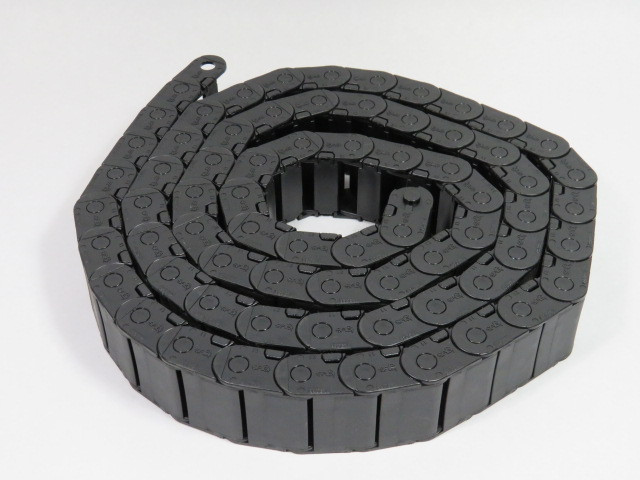
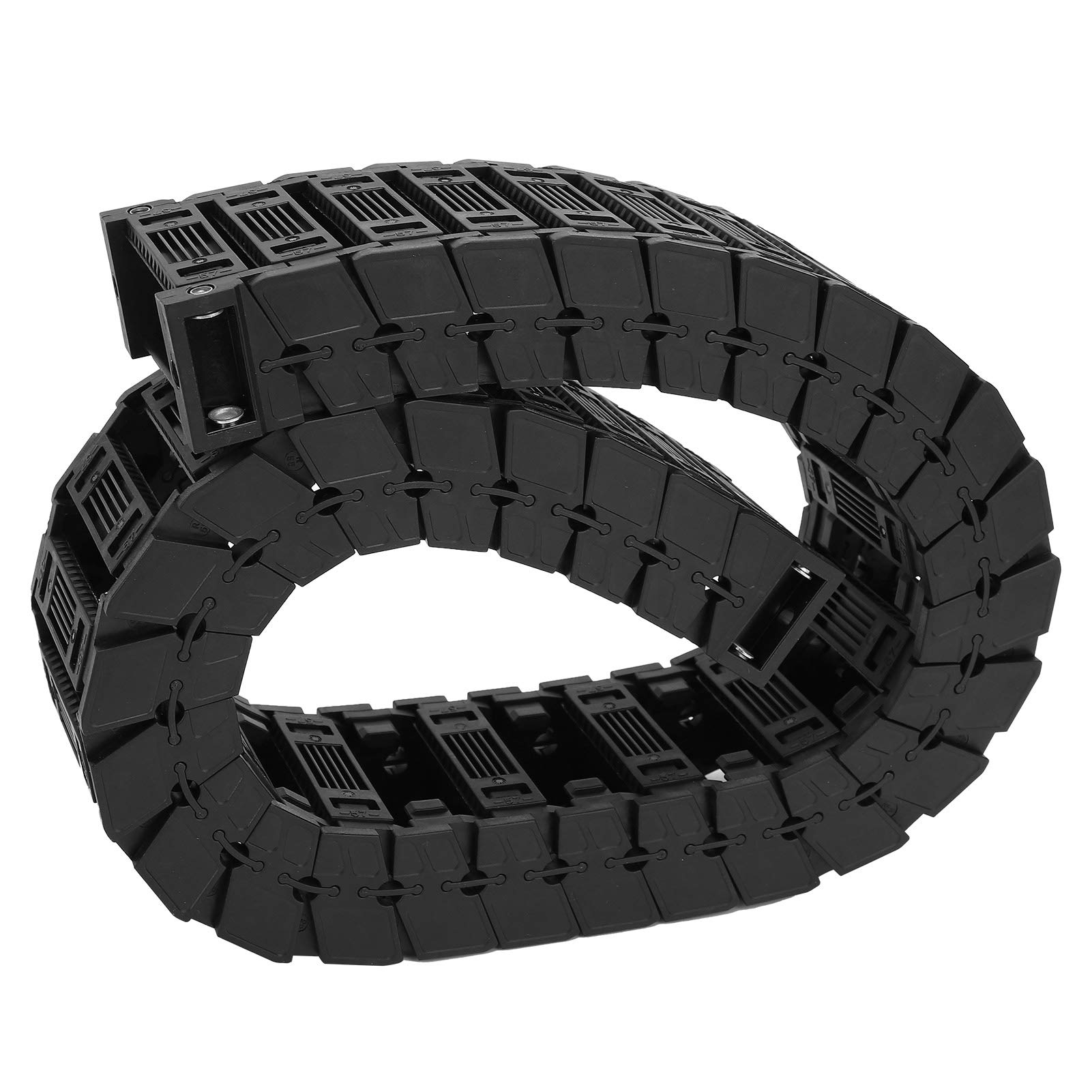
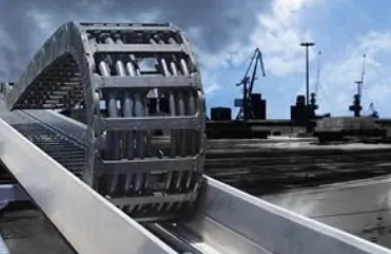
Drag chains (cable carriers) are essential components in modern industrial equipment, protecting cables and ensuring smooth movement. However, many users experience unexpected drag chain failures that lead to downtime, costly repairs, and reduced productivity.
In this guide, we explain why drag chains fail, the most common problems, and how to prevent them.
1. Incorrect Drag Chain Size
One of the most common causes of drag chain failure is choosing the wrong size.
If the chain is too small:
- Cables become compressed
- Internal friction increases
- Premature wear occurs
Solution:
Always ensure the inner height is at least 10–20% larger than the largest cable diameter.
2. Overloading the Drag Chain
Every drag chain has a maximum load capacity. Exceeding this limit can lead to:
- Chain deformation
- Increased stress on joints
- Early breakage
Solution:
Check load specifications and choose a heavy-duty drag chain if necessary.

3. Incorrect Bending Radius
Using a drag chain with a bending radius smaller than required can severely damage cables.
Common results include:
- Cable cracking
- Signal failure
- Reduced cable lifespan
Solution:
Select a drag chain with a bending radius equal to or larger than the cable requirement.
4. Poor Cable Arrangement
Improper cable layout inside the drag chain is a hidden but serious issue.
Problems include:
- Cable twisting
- Tangling
- Uneven wear
Solution:
- Separate cables using dividers
- Avoid crossing cables
- Maintain proper spacing
5. Low-Quality Materials
Cheap drag chains made from low-quality materials are more likely to fail under industrial conditions.
Typical issues:
- Cracking under stress
- Poor wear resistance
- Short service life
-
Solution:
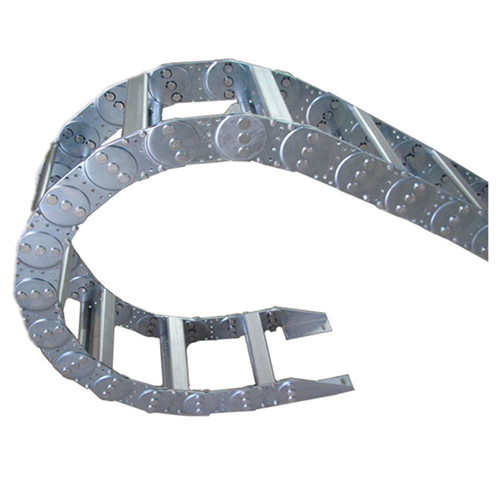
Choose high-quality plastic or steel drag chains from reliable manufacturers. 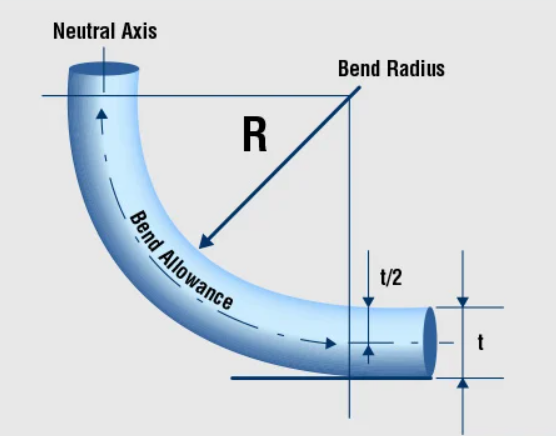
6. Harsh Operating Environment
Environmental factors can significantly impact drag chain performance.
Examples:
- Oil and coolant exposure
- Dust and debris
- High or low temperatures
-
Solution:
Use drag chains designed for your environment, such as: - Oil-resistant materials
- Fully enclosed structures
- Corrosion-resistant coatings
7. Improper Installation
Even a high-quality drag chain can fail if installed incorrectly.
Common installation mistakes:
- Misalignment
- Insufficient support
- Incorrect mounting
-
Solution:
Follow proper installation guidelines and ensure correct alignment and support.
How to Prevent Drag Chain Failure
To avoid drag chain problems, follow these best practices:
- Choose the correct size and bending radius
- Avoid overloading
- Arrange cables properly
- Use high-quality materials
- Consider environmental factors
- Ensure proper installation
-
Regular inspection and maintenance also help extend the lifespan of your drag chain system.
Conclusion
Understanding why drag chains fail is the first step toward improving system reliability and reducing downtime.
Most failures are not caused by the product itself, but by incorrect selection, installation, or usage.
By addressing these issues, you can significantly extend the life of your drag chain and protect your equipment investment.
Need Help Solving Drag Chain Problems?
If you are experiencing drag chain failures or need help selecting the right solution, our team can provide expert advice and customized products for your application.
Contact us today for professional support and competitive pricing.


Low Noise Drag Chain: How to Reduce Cable Carrier Noise in High-Speed Applications
Steel vs. Plastic: Selecting the Right Material for Your Long Travel Drag Chain in Harsh Environments