Drag Chain for Machine Tool: Construction, Series and Wear
What a Drag Chain Is, and Why the Name Matters
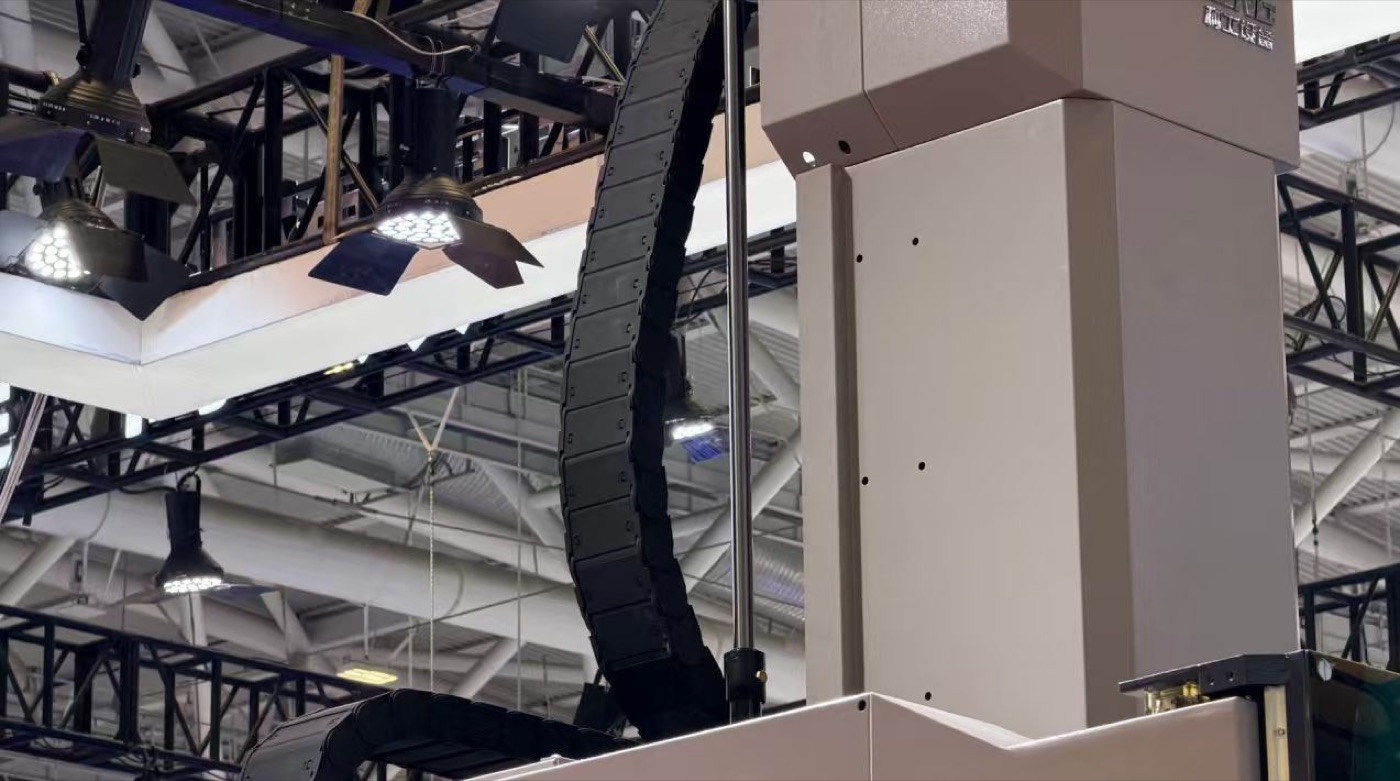
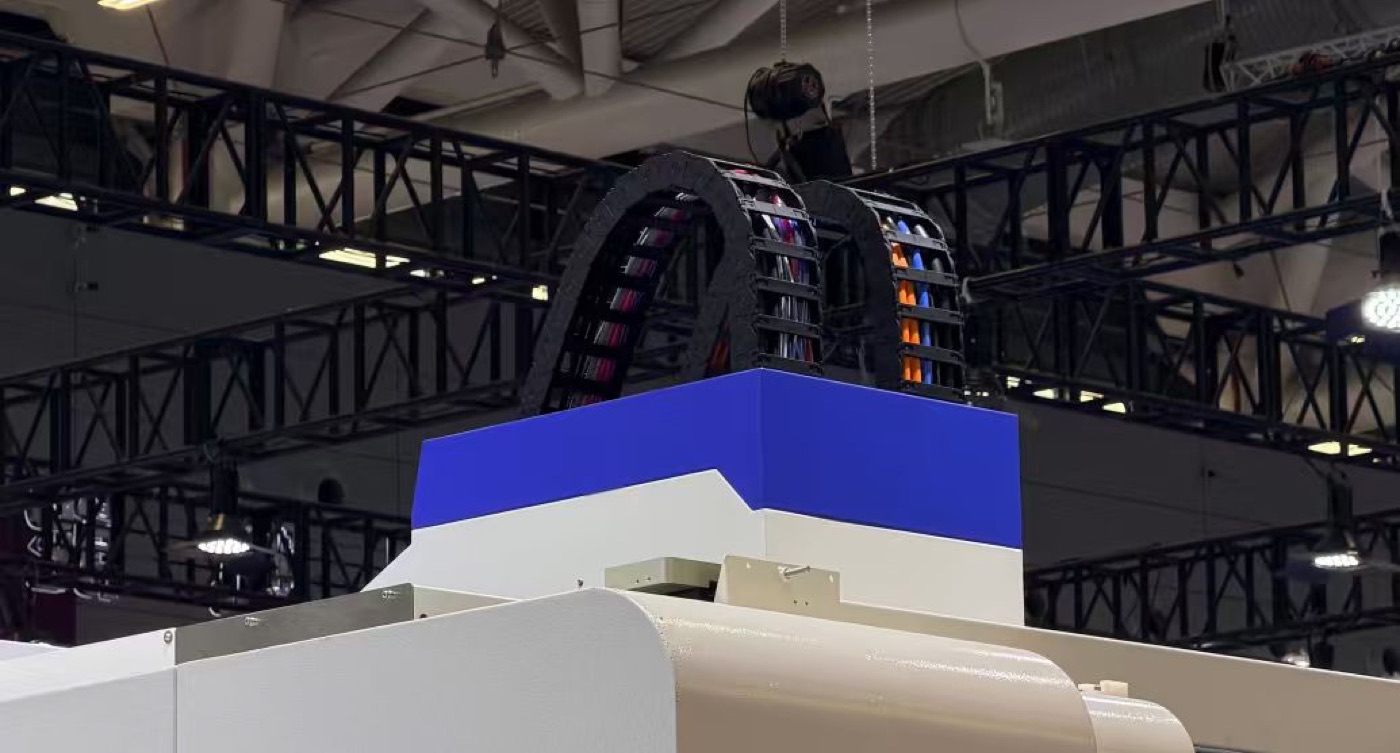
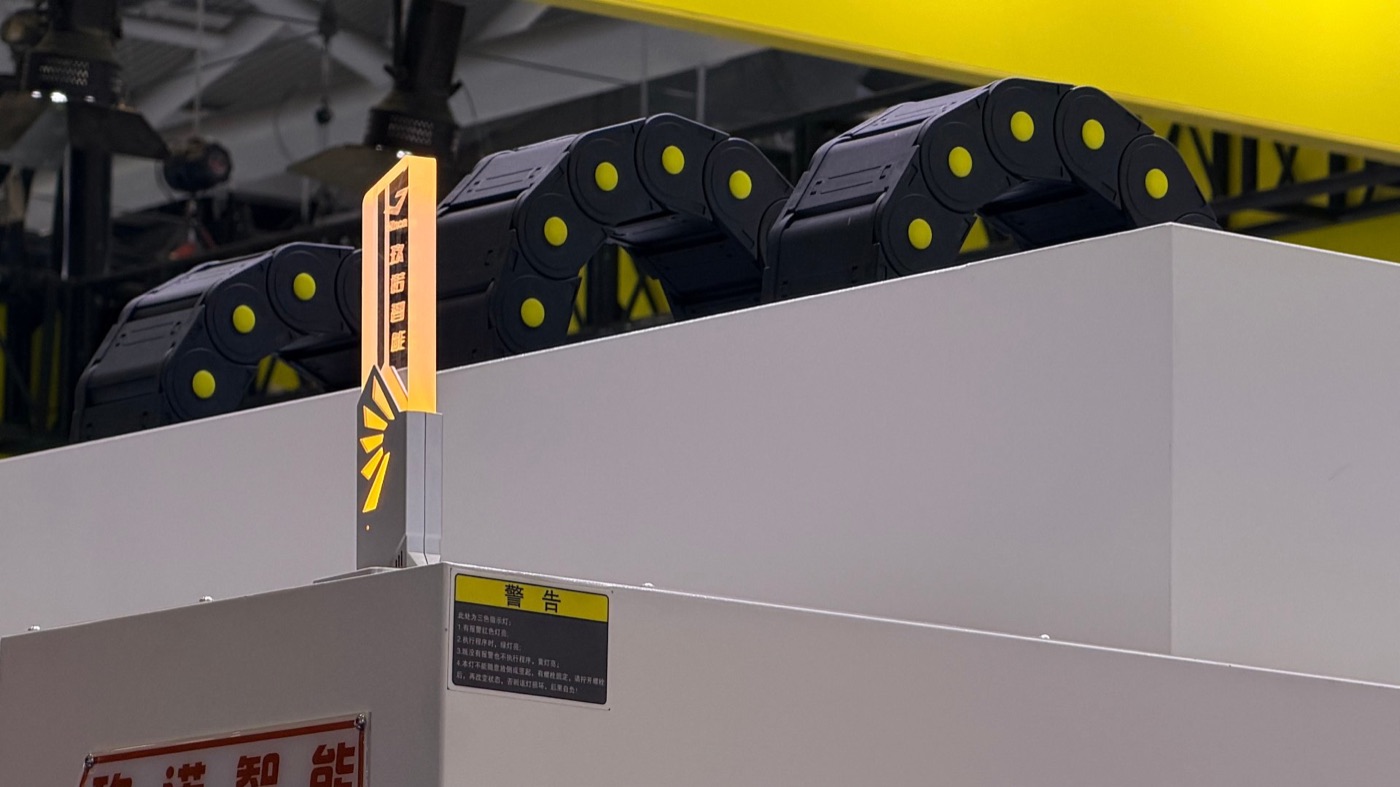
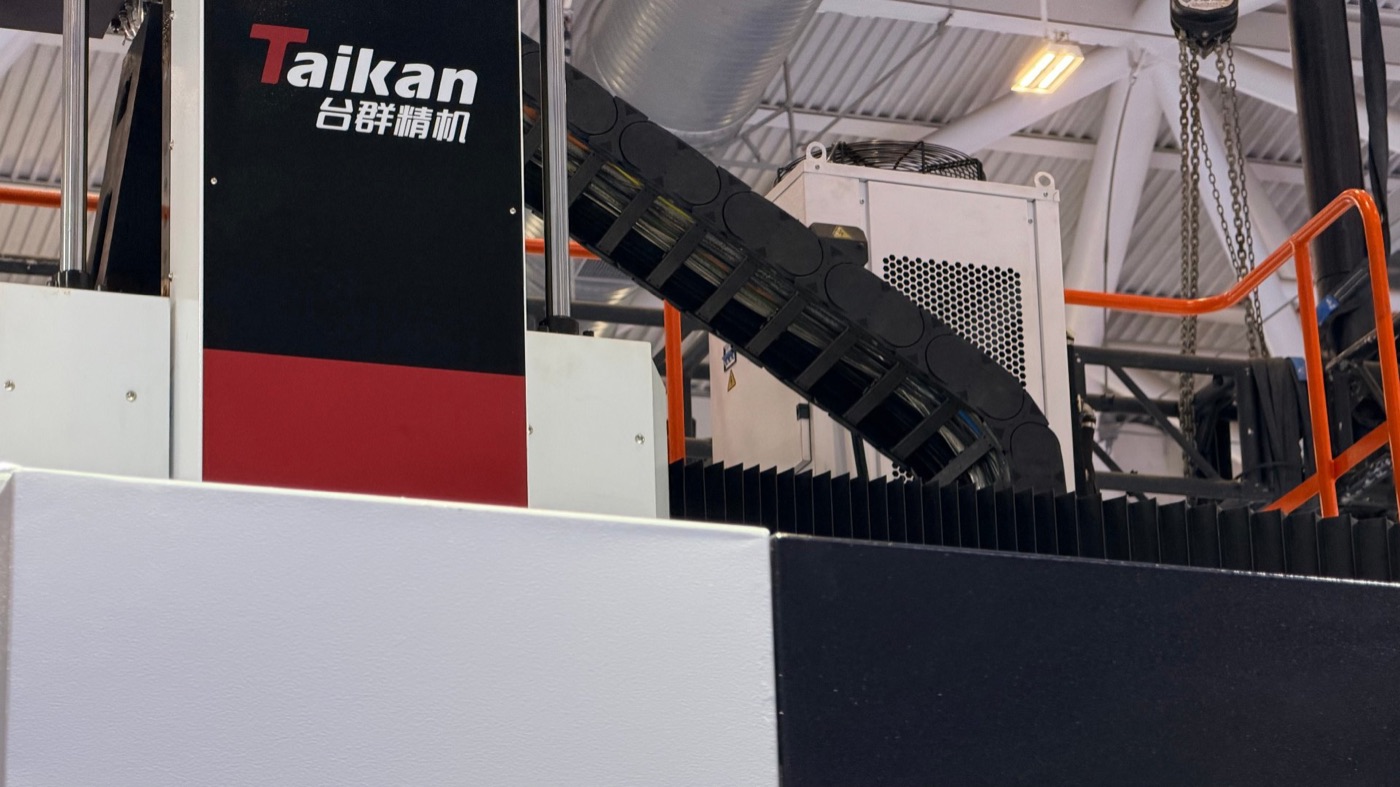
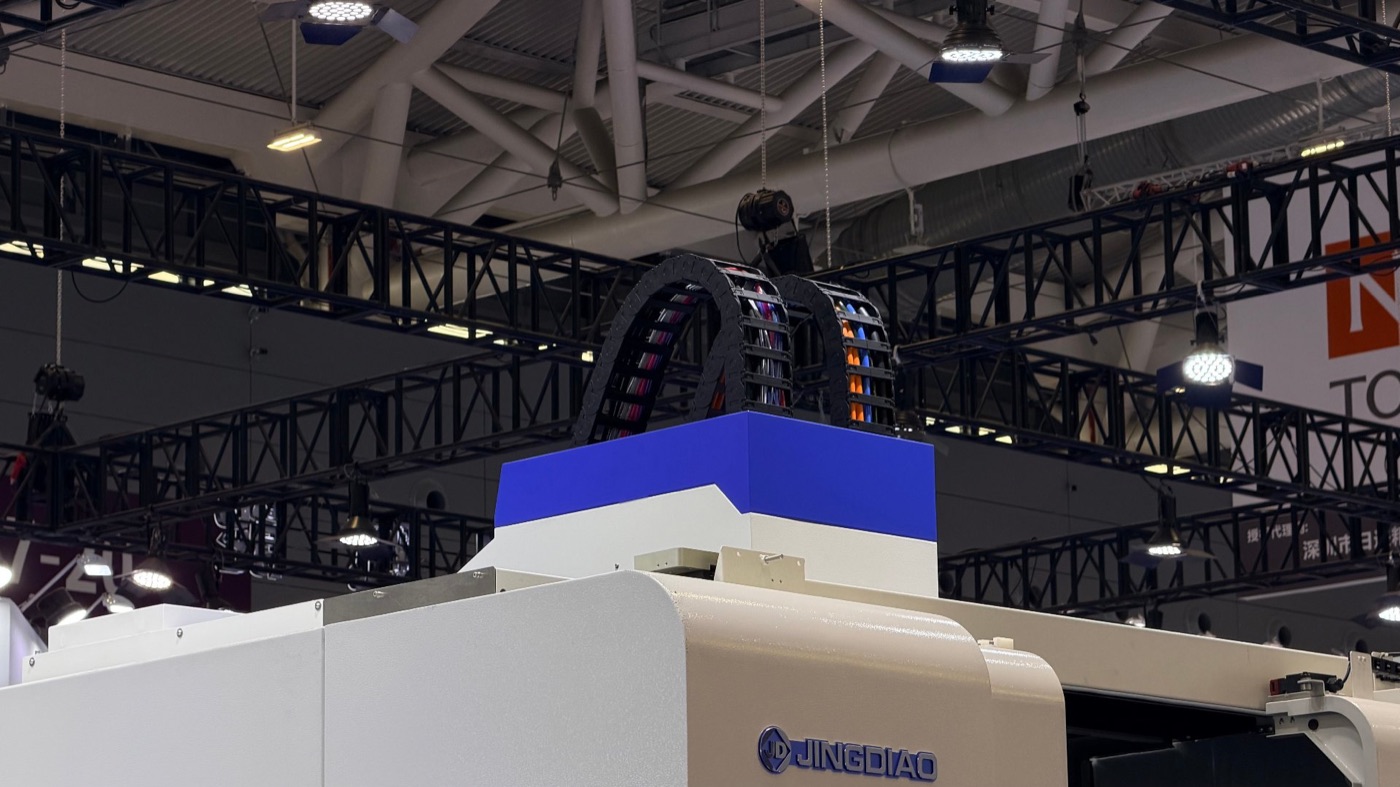
A drag chain for machine tool duty is the link-and-pin assembly that guides cables and hoses along a moving axis. The name comes from the way the upper run drags over the lower run on long travel, but the part is a precision item: link pitch, pin diameter, bore clearance and the stop that limits the bend angle all decide how many million strokes the chain will survive. Buyers who order "a drag chain" by outside width alone usually receive a chain that fits the space and fails in the second year.
The Four Parts That Decide Wear
Every plastic drag chain is built from four functional elements. Wear always starts in one of them, and knowing which one tells you what to specify next time.
- Link (side plate). Glass-fibre reinforced PA66 on machine tool sizes. The plate carries the load and resists the chip and coolant environment.
- Pin and bore. The bearing surface of the chain. Hardened steel pins running in a PA66 bore, or pin-bore pairs in the same moulded material on lighter series. Clearance here is the single best wear indicator.
- Stop / limit. The feature that sets the bend radius and prevents the chain from folding further. A worn stop changes the radius, and a changed radius loads the cables differently.
- Cross bars and dividers. Not structural, but they set the compartments that keep power and signal apart and stop the bundle collapsing in the bend.
Open or Enclosed: Chips, Coolant and Swarf
Machine tools are hostile to an open chain. Hot chips lodge between the plates, coolant carries fines into the pin bore, and cast iron dust turns into a grinding paste. Three constructions answer this in different ways.
| Design | Where it suits | Trade-off |
|---|---|---|
| Open link | Clean axes, tool changers, engraving machines, wood and plastic routing | Best heat dissipation and easy cable inspection, but no chip protection |
| Enclosed / sealed link | Cast iron and steel machining, coolant-flooded enclosures, grinding | Protects pins and cables, but traps heat and hides cable damage |
| Open with scrapers or covers | Mixed environments, moderate chip load | Compromise: partial protection, still inspectable |
For a vertical machining centre cutting cast iron, an open chain in the Y axis will need pin inspection every few months. The same axis with an enclosed link needs almost none — but the cable bundle inside must be sized for a higher temperature, because an enclosed chain cannot shed heat as fast.
Series Selection by Inner Height and Width
Plastic drag chains are usually grouped in series by inner height, and each series offers a range of inner widths in fixed increments. Select in this order: inner height from the tallest cable, inner width from the sum of diameters plus dividers, then bend radius from the stiffest cable.
- Inner height in 10 mm steps is common. Do not round down to save space; a bundle that touches the cross bar wears its jacket at the contact line.
- Inner width should be a standard increment, not a custom value. Standard widths ship from stock and are cheaper to replace later.
- Bend radius must be at or above the cable's own minimum, and the chain radius is measured to a different reference point than the cable radius.
Wear Limits and Replacement
A drag chain does not fail suddenly. It reaches a wear limit, and after that the geometry starts damaging the cables. Check four things at each service interval.
- Elongation of the assembled chain beyond 1 – 2 % of its original length.
- Pin clearance that can be felt by hand when the chain is flexed at the bend.
- Side plate wear where the chain runs in the guide trough — a visible step means the trough is offset.
- Stop wear, which shows as a chain that sits at a larger radius than when new.
When two of the four are present, replace the chain. Replacing links one by one is possible on modular designs, but a chain worn at the pins cannot be restored by fitting new links at the ends.
Common Mistakes When Replacing a Chain
- Matching the outside width instead of the inner height and pitch — the new chain fits the bracket but not the cables.
- Mixing two series in one run because one section was replaced earlier; pitch differences load the pins unevenly.
- Reusing the old cross bars and dividers on a new chain, which transfers worn contact points to new links.
- Ignoring the guide trough when the wear pattern showed side contact — the new chain will wear the same way.
What to Send for a Drag Chain Quotation
- Inner height and inner width currently in use, or the cable list if the axis is new
- Travel stroke, speed and whether the chain runs horizontally, vertically or inclined
- Environment: cast iron chips, aluminium, coolant, grinding dust, wood dust
- Bend radius and the number of compartments needed for power and signal
- The existing bracket dimensions if this is a replacement
SONDA manufactures PA66 drag chains for machine tool axes in open and enclosed designs, with hardened pins, standard width increments and bend radii from stock. Send the four numbers — inner height, inner width, bend radius, stroke — and you will get a series recommendation instead of a size that merely fits.
Choosing a drag chain for a machine tool?
Send us the stroke, the cable and hose list with diameters, the weight per metre and the bend radius you need. Our engineers reply with the chain system — series, inner height and width, dividers, strain relief and a guide trough if required — usually within one working day.
Vertical Cable Carrier for Machine Tool: Hanging Axis Guide
Power Chain for Machine Tool: Conductor Sizing and Chain Load
Related Article